How much is the train from Kyoto to Nara?
A one-way train ticket from Kyoto to Nara costs about 720 yen on JR or 760 yen on Kintetsu. We break down all fares, passes, and the fastest routes for a smooth day trip.
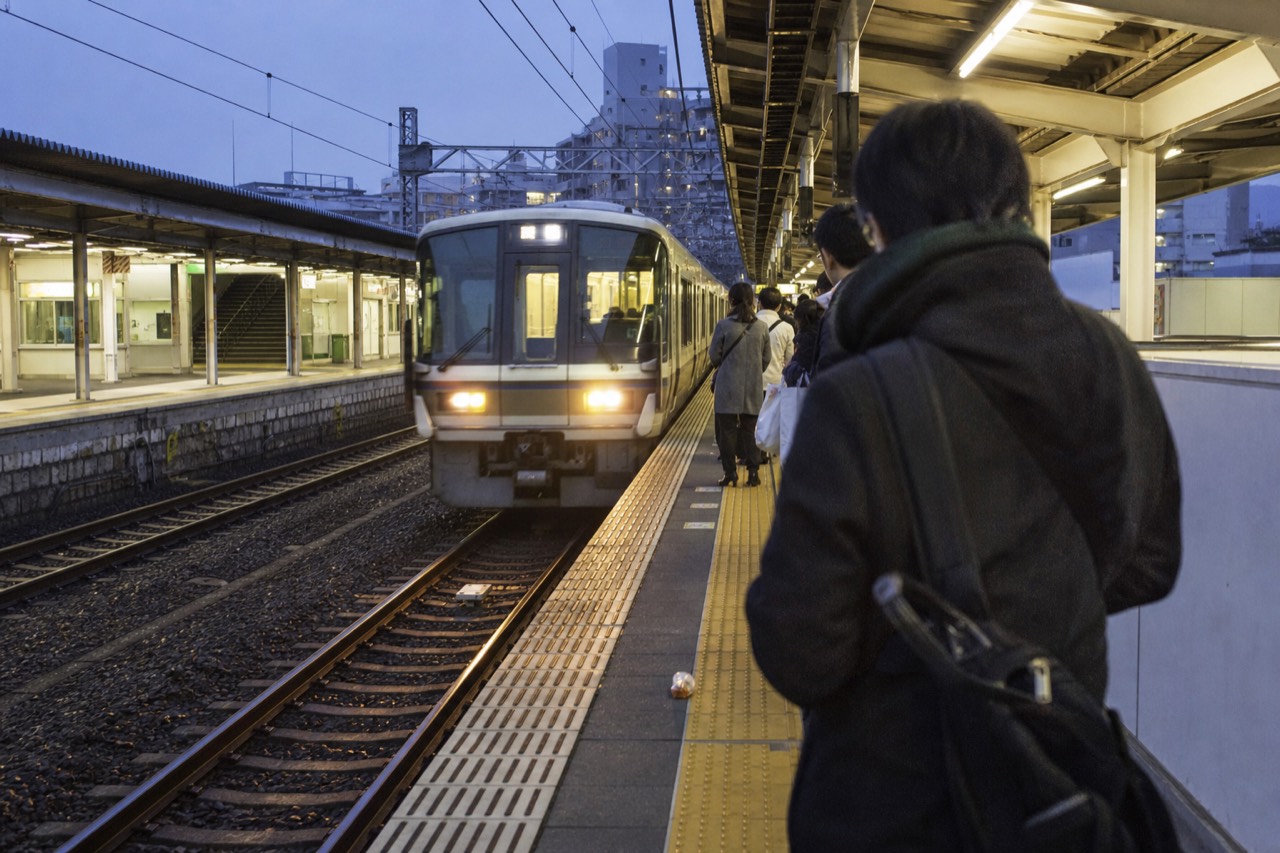
A one-way train ticket from Kyoto to Nara costs about 720 yen on the JR Nara Line or about 760 yen on the Kintetsu Kyoto Line express, making it one of the cheapest day trips from the city. For travellers planning a day trip with Kyoto Nara Day Tour, understanding the train fare is the first step, but it is only part of the picture: the journey time, the station you arrive at, and whether a rail pass changes the maths all matter more than the raw number. This article lays out every fare, every pass, and the fastest route, so you can decide whether the train or a coach tour fits your day better.
How much is the train from Kyoto to Nara?
A standard one-way adult ticket costs about 720 yen on the JR Nara Line and about 760 yen on the Kintetsu Kyoto Line express, with the limited express surcharge adding 520 yen; children pay half. These fares are subject to change, and the exact cost depends on the service and any rail pass you hold. A return trip therefore runs roughly 1,440 yen on JR, which is less than a bowl of ramen in the station.
The two railways that connect Kyoto and Nara are JR West and Kintetsu. Both run frequent services, both accept IC cards, and both drop you within walking distance of Nara Park. The difference is the station location, the train speed, and the price of the limited express.
The JR Nara Line leaves from Kyoto Station’s Karasuma-guchi (north side, under Kyoto Tower) and arrives at JR Nara Station, about a 15‑ to 25‑minute walk from the deer park. The Miyakoji Rapid Service covers the distance in about 45 minutes, while local trains take about 60 to 75 minutes. The fare is the same for both: 720 yen for an adult. You can check the latest schedule and fare on the Navitime search for Kyoto to JR Nara, though the operator’s own site is the final word.
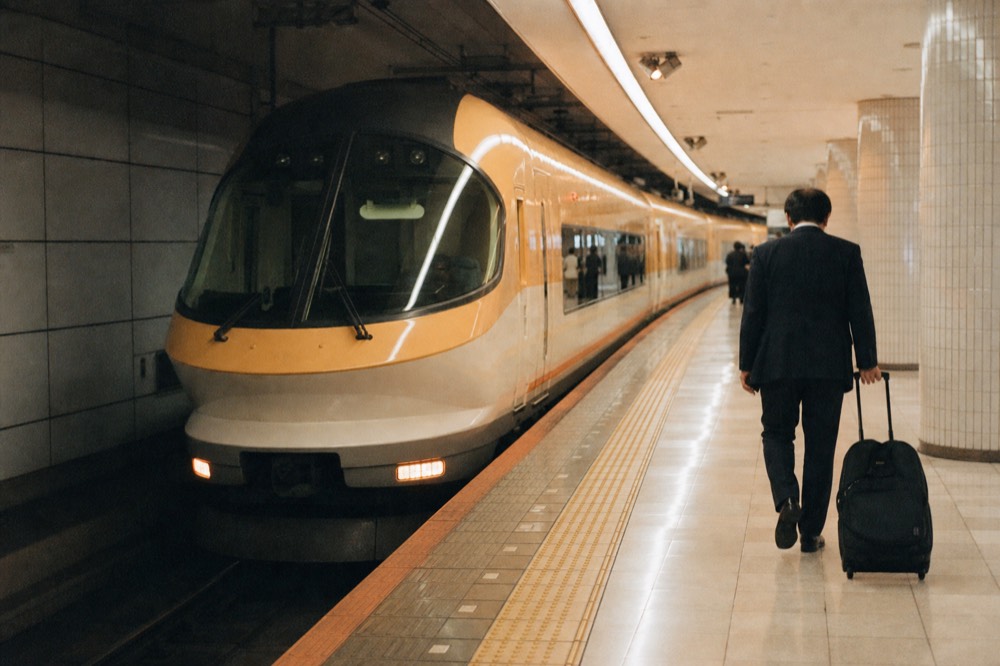
Kintetsu runs from Kintetsu Kyoto Station (directly beneath the JR station, connected by underground walkway) to Kintetsu Nara Station, which is only a 5‑ to 8‑minute walk from Kofuku-ji and the park entrance. The regular express (kyuko) takes about 45 minutes and costs 760 yen. The limited express (tokkyu) cuts the journey to about 35 minutes but adds a 520‑yen surcharge, bringing the total to 1,280 yen. Seat reservations are included in the surcharge. Navitime shows the Kintetsu options, though fares can shift without notice.
Children aged 6 to 11 pay half the adult fare on both railways; under‑6s travel free if they do not occupy a seat. All fares quoted are for a single journey, and return tickets are simply two singles.
| Train | One-way adult | Journey time | Station in Nara |
|---|---|---|---|
| JR Miyakoji Rapid | about 720 yen | ~45 min | JR Nara (15‑25 min walk) |
| JR Local | about 720 yen | ~60‑75 min | JR Nara |
| Kintetsu Express | about 760 yen | ~45 min | Kintetsu Nara (5‑8 min walk) |
| Kintetsu Limited Express | about 1,280 yen | ~35 min | Kintetsu Nara |
If you would rather skip the train altogether and let a coach and guide handle the logistics, a full-day tour bundles the transport with the sights. The tour visits Nijo Castle, Kinkaku-ji, the Imperial Palace, Todai-ji and Kasuga Taisha, with an English-speaking guide and all admissions included. The cheapest option departs Kyoto without lunch and costs $191.65 per adult.
JR or Kintetsu: which train should you take?
JR’s Miyakoji Rapid is the cheapest option at about 720 yen and drops you at JR Nara Station, a 15‑ to 25‑minute walk from the park; Kintetsu’s express costs about 760 yen but lands you right at the park’s edge in 5‑8 minutes. The Kintetsu limited express shaves another 10 minutes off the journey for a 520‑yen surcharge, but the regular express is already competitive with the JR rapid.
The choice often comes down to where you are staying in Kyoto and which rail pass, if any, you already hold. JR Nara Line trains depart from Kyoto Station’s north side, where all city buses and the Karasuma subway line converge. If you are staying near Kyoto Station or hold a Japan Rail Pass, the JR rapid is the obvious pick. The walk from JR Nara Station to the Todai-ji area is flat and pleasant, passing through the Sanjo shopping arcade, but on a hot August afternoon those extra 15 minutes can feel long.
Kintetsu’s station is far closer to the deer park, Kofuku-ji, and the Naramachi old town. The regular express is only 40 yen more than the JR rapid and takes the same time. The limited express is a real upgrade: reserved seats, more legroom, and a faster run, but at 1,280 yen it is nearly double the base fare. For a family, the surcharge adds up quickly, so the regular express is often the smarter pick unless you particularly want a guaranteed seat.
Neither line requires a reservation for ordinary trains, and both accept Suica, ICOCA, and other major IC cards. You tap in at Kyoto, tap out at Nara, and the correct fare is deducted. If you are paying with cash, buy a ticket from the multilingual machines at the station.
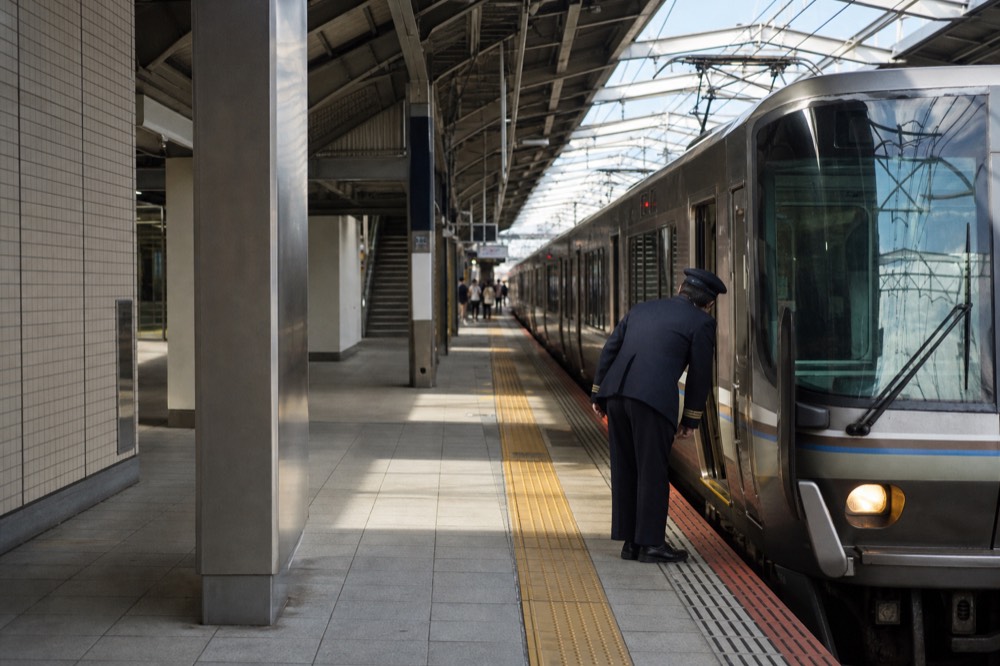
For visitors who want a guaranteed seat and zero transfers, the coach tour removes every variable. It picks you up at a central Kyoto meeting point, drives you to Nara with commentary, and returns you in the evening. The tour’s Osaka departure option also works for those staying in Osaka, with a meet-up at Hotel Granvia Osaka 1F. You still see the same temples and the deer park, but you never touch a ticket machine.
How much does the Japan Rail Pass save on the Kyoto–Nara route?
The Japan Rail Pass covers the full JR Nara Line, including the Miyakoji Rapid, so a round trip costs you nothing beyond the pass price. However, a Kyoto–Nara return is only about 1,440 yen, which is a tiny fraction of even the cheapest 7‑day ordinary pass at 50,000 yen. The pass is a bonus if you already have one; it is not a reason to buy one.
The Japan Rail Pass is priced per day, not per ride. A 7‑day ordinary pass bought by 30 September 2026 costs 50,000 yen. From 1 October 2026, the same pass rises to 53,000 yen. The Kyoto–Nara return fare is so low that the pass only makes sense if you are already using it for longer Shinkansen journeys. For a standalone Nara day trip, buying a regular ticket is far cheaper.
The pass does cover the Miyakoji Rapid, so if you are mid‑pass, you can walk on without a ticket. It does not cover Kintetsu trains at all, so if you want to use the pass, you must stick to JR. The JR Nara Line is fully covered, and there is no supplement for the rapid service.
Other regional passes, such as the JR Kansai Area Pass, also cover the route, but those passes have their own cost‑benefit calculations. The key point is that a simple return ticket is so cheap that no pass should be bought solely for the Kyoto–Nara run.

If you want a single price that covers everything from your hotel lobby to the Great Buddha, the day tour is a cleaner comparison. The tour’s Kyoto‑departure, no‑lunch option at $191.65 includes the coach, guide, and all admissions. A train‑only day out might cost 1,440 yen return plus about 800 yen for Todai‑ji, 700 yen for Kasuga Taisha’s inner area, and a bus or two in Kyoto, but you still have to navigate the stations and queues yourself.
What about the Kintetsu Rail Pass and other passes?
The Kintetsu Rail Pass covers the Kyoto–Nara express and limited express, along with other Kintetsu lines across the Kansai region, but a single day of Kyoto–Nara travel costs far less than any multi-day pass. A simple return ticket on the express is cheaper than the pass, so it only breaks even if you add another Kintetsu journey on the same day.
The Kintetsu Rail Pass covers more than a single trip, but for one day it costs more than the fare. covers all Kintetsu trains in the designated area, including the limited express surcharge. If you are only doing Kyoto–Nara return, you are paying more than two express tickets. The pass becomes worthwhile if you also plan to visit Osaka, Ise‑Shima, or Yoshino on the same day, but for a simple Nara day trip, it is an overpay.
A regional rail pass for Kansai is even harder to justify for this route alone. It covers the JR Nara Line and other JR lines in the region, but a return ticket to Nara is half the pass price. If you are combining Nara with Himeji or Kansai Airport, the pass might earn its keep, but for Nara alone, buy a regular ticket.
None of these passes cover the day tour, of course, but the tour’s single price wraps transport, entries, and a guide into one number. For travellers who want a fixed cost with no surprises, that simplicity is the draw.
How long does the train take, and what is the fastest route?
The fastest train from Kyoto to Nara is the Kintetsu limited express at about 35 minutes, followed by the JR Miyakoji Rapid at about 45 minutes and the Kintetsu express at about 45 minutes. The Kintetsu limited express also puts you closest to the park, making it the quickest door‑to‑deer option.
The JR Nara Line’s Miyakoji Rapid runs roughly every 30 minutes throughout the day, with the first departure around 7:30 a.m. and the last return around 10 p.m. The Kintetsu express and limited express are similarly frequent, with the limited express offering reserved seats that can be booked at the station or online.
If you are starting from central Kyoto, the total journey time from your hotel to the Todai‑ji Great Buddha is about 60 to 75 minutes by Kintetsu limited express (including the walk) and about 75 to 90 minutes by JR rapid. The difference is marginal, but on a tight schedule, those 15 minutes can matter.
The day tour takes longer overall because it includes multiple stops and a lunch break, but it removes all the waiting and walking between stations. The coach picks you up at 8:20 a.m. in Kyoto and returns around 6 p.m., with about 10.5 hours of touring. That is a full day, but you spend it inside air‑conditioned comfort rather than on a platform.
Are there any extra costs or pitfalls when taking the train?
Beyond the fare, the main extra cost is the walk from JR Nara Station if you choose that line; a local bus from the station costs about 230 yen but is rarely necessary. The bigger pitfalls are the summer heat, the lack of reserved seats on ordinary trains, and the risk of boarding a local train by mistake on the JR line, which can add 30 minutes to your journey.
Kyoto Station can be overwhelming, but the Nara Line platforms are clearly signed in English. The Miyakoji Rapid trains are modern and comfortable, but they can fill up on weekends and during cherry blossom season. There is no standing penalty, but you might be on your feet for 45 minutes. The Kintetsu limited express guarantees a seat, which is a real benefit during peak periods.
On the return journey, the last direct train from JR Nara to Kyoto departs around 10 p.m., and from Kintetsu Nara a little earlier. Missing it means a long taxi ride or an expensive hotel, so check the timetable before you leave. If you are staying in Kyoto, the city’s accommodation tax, revised from March 2026, now runs up to 10,000 yen per person per night for top‑end rooms, but for most travellers it adds only a few hundred yen to the bill.
The day tour avoids all of these variables. The coach has a fixed seat, the guide keeps the group on schedule, and you are back in Kyoto by early evening with no risk of a missed connection.
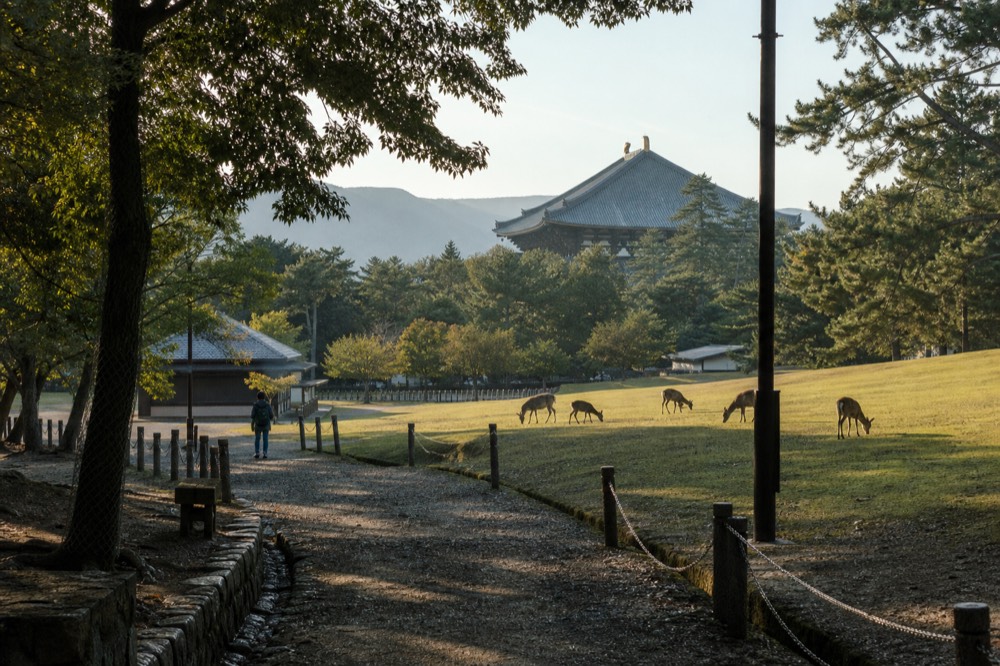
For a deeper dive into planning the day, read our guide on Kyoto to Nara transport options and our Nara day trip from Kyoto itinerary. If you are weighing train versus coach, our comparison Nara from Kyoto or from Osaka breaks down the trade‑offs.
The train from Kyoto to Nara costs about 720 yen on JR or 760 yen on Kintetsu, with the limited express adding a 520‑yen surcharge; a Japan Rail Pass covers the JR line but rarely makes financial sense for this short trip alone. Children travel at half the adult fare, and the journey takes 35 to 75 minutes depending on the service.
Common questions about the train from Kyoto to Nara
How much is the train from Kyoto to Nara?
A one-way adult ticket costs about 720 yen on the JR Nara Line and about 760 yen on the Kintetsu Kyoto Line express. The Kintetsu limited express adds a 520‑yen surcharge, bringing the total to 1,280 yen. Children pay half.
Is the Japan Rail Pass valid on the Kyoto–Nara train?
Yes, the Japan Rail Pass covers the full JR Nara Line, including the Miyakoji Rapid service. It does not cover Kintetsu trains.
Which station in Nara is closer to the deer park?
Kintetsu Nara Station is a 5‑ to 8‑minute walk from the park. JR Nara Station is a 15‑ to 25‑minute walk.
Do I need to reserve a seat on the train?
No, ordinary JR and Kintetsu express trains do not require reservations. The Kintetsu limited express requires a reserved seat, which is included in the surcharge.
Is the train cheaper than a day tour?
A return train ticket costs about 1,440 yen, while the cheapest Kyoto–Nara day tour starts at $191.65 per adult. The tour includes transport, guide, and all entry fees, so the value depends on how much you value a hassle‑free day and a guide’s commentary.