Free Things to Do in Nara and Kyoto: What Genuinely Costs Nothing
Nara and Kyoto are two of the few Japanese cities where the headline attractions, the deer, the shrine approaches, the mountain torii paths, cost nothing at all. Here is what is genuinely free, what still charges, and how the two stack up.
Short answer
Nara Park, the deer, Kasuga Taisha's grounds, Kofuku-ji's precinct, Fushimi Inari's whole mountain and the Naramachi lanes are all free. The paid sights are real too: Todai-ji's Great Buddha hall is 800 yen, Kinkaku-ji 500 yen, Nijo Castle from 800 yen. A day built on free sights costs almost nothing beyond transport.
Nara Park recorded 1,687 deer in its July 2026 census, the highest count the Nara Deer Preservation Foundation has published, and every one of them is free to meet. That single fact explains why this page exists: the two cities most visitors pair together in Kansai are also the two where the best-known experiences cost nothing. The deer, the shrine approaches, the lantern-lined paths and the torii tunnels are all open access. The paid layer sits on top, and it is worth knowing exactly where the boundary falls before you plan a day around it.
This guide walks through what genuinely costs nothing in Nara and Kyoto, names the real published fees for everything that charges, and finishes with the honest comparison between a free, self-guided day and the paid coach tour this site features. Nothing here is a trick or a teaser: if a sight is listed as free, you can walk in without a ticket.
What is actually free in Nara?
The free core of Nara is the park itself and the religious ground around it: Nara Park and its 1,687 deer, the whole Kasuga Taisha approach and outer grounds, the Kofuku-ji precinct including the view of its shrouded Five-Storied Pagoda, the Todai-ji approach and Nara Park's wooded corners, and the Naramachi lanes. Together they fill a full day without a single admission ticket.
That list is not a scraping of the paid sights. It is the substance of the city. The park, the shrine forest and the old merchant lanes are what people remember, and they happen to be the parts nobody charges for. The paid buildings, the Great Buddha hall, the Kasuga inner worship area, the Kofuku-ji halls, are interiors layered inside that free landscape, and you can decide on each one on the spot.
The geography helps. Nara's sights sit inside and around one park: Kofuku-ji at the Kintetsu station end, the deer lawns in the middle, Todai-ji and Kasuga Taisha at the far edges, Naramachi to the south. A walker covers all of it in a day at an easy pace, and the only compulsory spend is the train fare that brought you there, about 720 yen one way from Kyoto on the JR Nara Line if you come independently.
Nara Park and the deer: the best free thing in Kansai
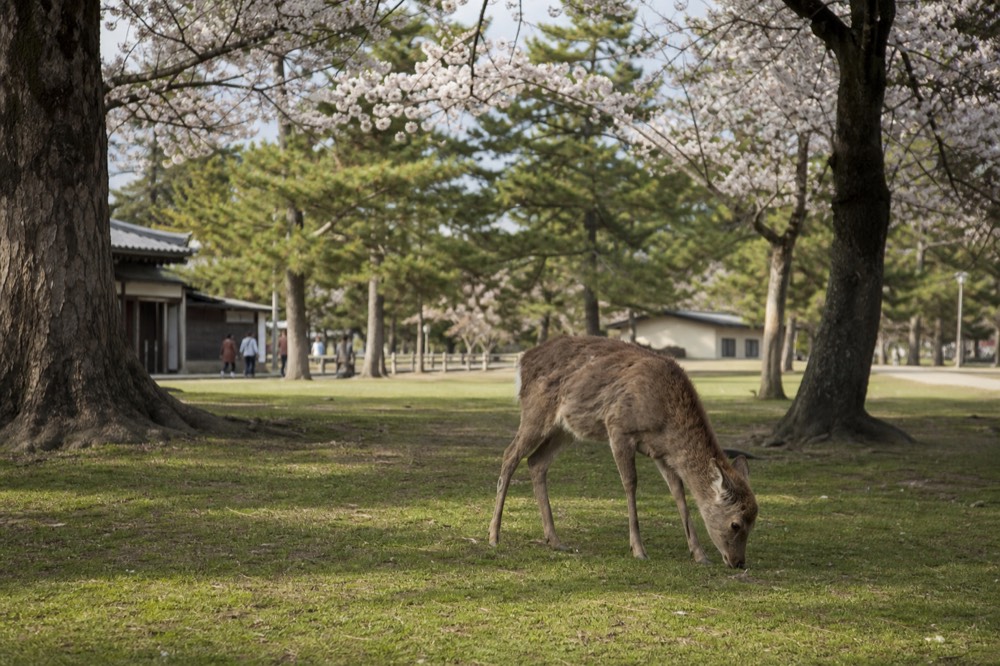
Nara Park is completely free to enter, open at all hours, and holds a record 1,687 deer as of the July 2026 census, up 222 on the previous year. Meeting them costs nothing. The only real expense inside the park is optional: shika senbei deer crackers sell for about 200 yen a bundle, and feeding the deer anything else is against the foundation's rules.
The deer are wild, habituated to people and protected as a national Natural Monument. The Nara Deer Preservation Foundation, which has managed the herd since its incorporation in 1934, counts them every July with staff, volunteers and university partners. The 2026 figure of 1,687, made up of 411 stags, 990 does and 286 fawns, is the freshest hard number available for the park, and the foundation publishes the full table on its own deer-count page.
Two seasons change the free experience, and the foundation's own guidance is the source for all of it. Calving runs mid-May through June, and the does turn aggressive around a birth, so June is one of the foundation's two designated deer-protection months. The rut runs September to November, the other protection month, when even the de-antlered stags must not be approached. Outside those windows the deer are calm, but they bite, butt and charge when teased, and the foundation asks visitors to hand over a cracker fast rather than holding it in a closed fist.
| Period | What happens in the park | How it changes a free visit |
|---|---|---|
| Mid-May to June | Calving season; June is a protection month | Does with newborns can be aggressive; keep distance |
| July | Annual census (2026 count: 1,687) | Normal conditions, peak summer heat |
| September to November | Rut; November is a protection month | Stags, even de-antlered, must not be approached |
| December to April | Quiet season | Calmest deer, coldest walking weather |
If you are building a whole Kansai day around the park rather than walking it yourself, the featured coach tour is one way to fold it into a single outing.
The no-lunch options are the cheapest way onto that coach, and they pair naturally with a free day: the $191.65 Kyoto departure leaves your lunch budget free for Nara's own food, and the Osaka departure ends at Osaka Namba so it suits a one-way routing. The lunch-inclusive options cost more and the included lunch is the listing's weakest element by its own reviewers' accounts, in 2015, 2017 and again in 2025, which is worth knowing before paying extra for it.
Free shrine and temple grounds: where the boundary sits
Every major religious site in Nara and Kyoto charges only for its interiors. Kasuga Taisha's grounds and lantern-lined approach are free, with the special inner worship area at 700 yen; Kofuku-ji's precinct and pagoda view are free, with its halls from 500 yen; Todai-ji's approach and Nara Park are free, with the Great Buddha hall at 800 yen. The outdoor half of each site costs nothing.
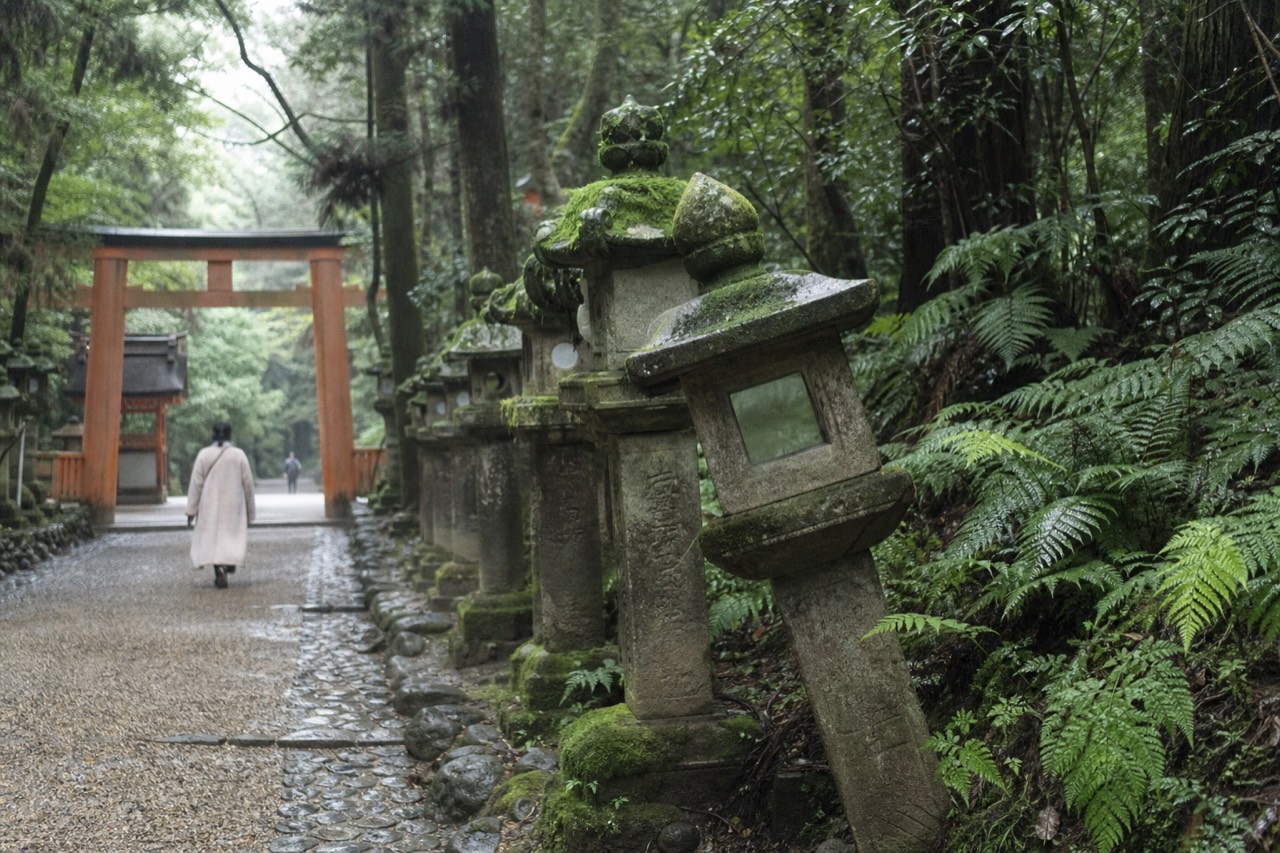
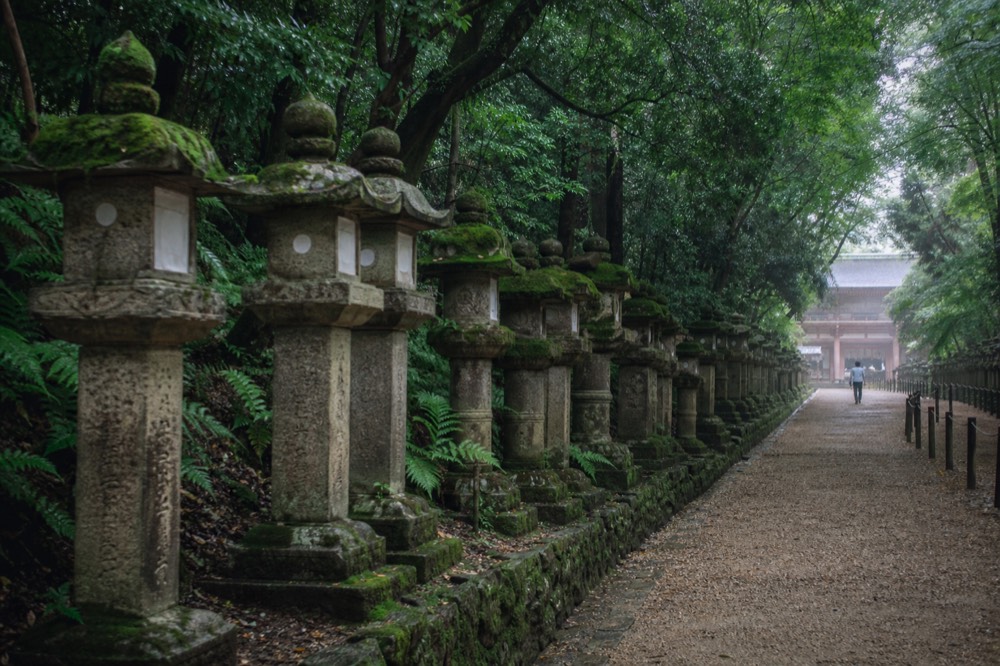
Kasuga Taisha is the clearest example. The approach through the primeval forest, the roughly 2,000 stone lanterns and 1,000 hanging lanterns that line it, and the outer worship grounds are all open without a ticket. The paid layer is the special worship inside the middle gate, 700 yen since the shrine raised it from 500 yen on 1 October 2024, a change most guidebooks still have wrong. The shrine's grounds keep long hours, 06:30 to 17:30 from March to October, so the free part is available from early morning.
Kofuku-ji works the same way. The precinct, the approach and the view of the Five-Storied Pagoda are free, with one honest caveat: the pagoda has been completely enclosed in a roughly 60 m steel weather cover since March 2025 and will stay that way until its restoration finishes in March 2034, so the "free view" is a view of a shroud. The halls themselves charge, 500 yen for the Central Golden Hall, 500 for the Eastern Golden Hall, 900 for the National Treasure Museum, or a 1,600 yen combined ticket sold only between 09:00 and 16:00. All three are open 09:00 to 17:00 and take cash only.
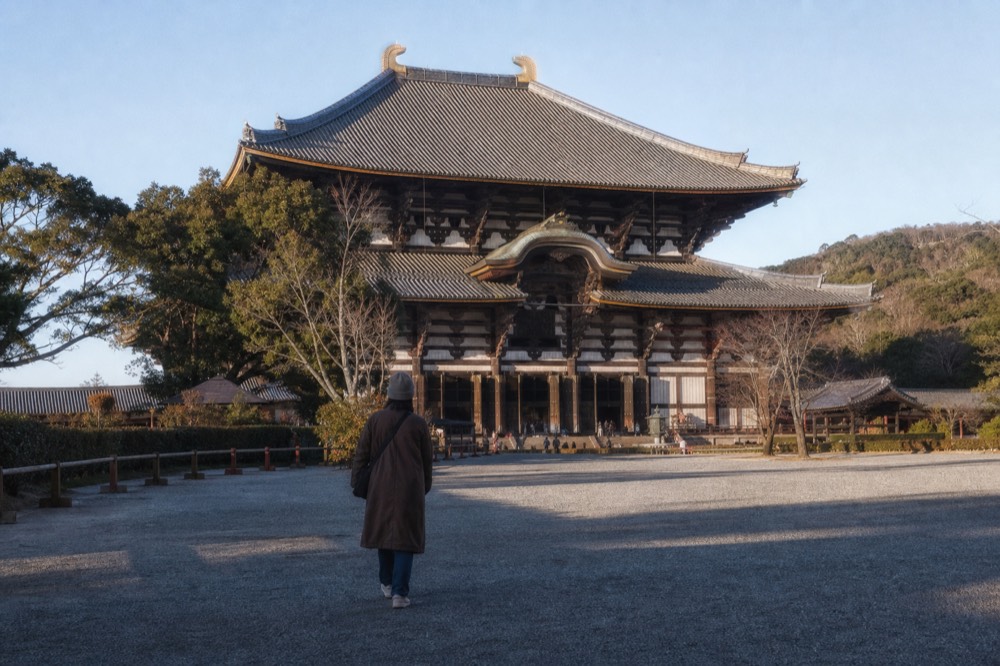
Todai-ji's boundary is equally clean. The approach through Nara Park, the outer grounds and the view of the Great South Gate are free. The Daibutsuden, the hall holding the Great Buddha, charges 800 yen for adults, cash only, with a 1,200 yen set ticket that adds the museum. The hall is open 07:30 to 17:30 from April to October and 08:00 to 17:00 from November to March, and the temple states on its own admission page that no advance booking is accepted or required.
Deciding between a free, self-guided walk and a guided day is a real fork for most visitors, and it comes down to how much of the paid layer you want unlocked.
The featured day tour covers the admissions that matter, Nijo Castle, Kinkaku-ji, the Kyoto Imperial Palace and the Nara stops, with a licensed English-speaking guide and the coach between them, which is a different proposition from walking the free layer alone. If your day is mostly about the deer and the shrine paths, the free plan below does the same job for the price of a train ticket.
Fushimi Inari end to end: a whole mountain for free
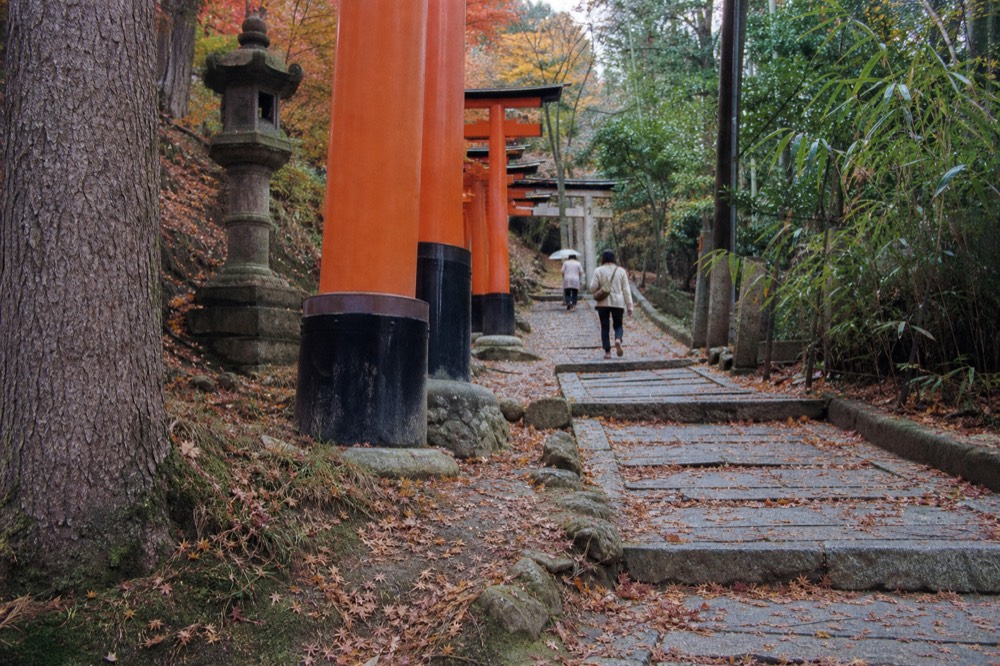
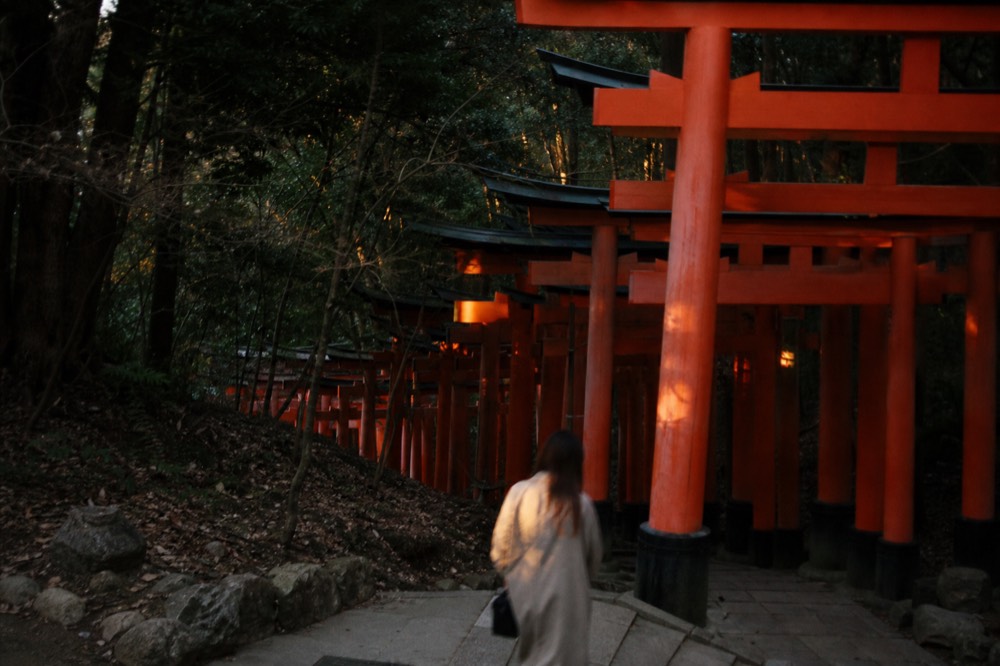
Fushimi Inari Taisha charges nothing for anything: the famous Senbon Torii tunnel, the sub-shrines and the full round-trip hike to the Mount Inari summit are all free, and the shrine sets no closing time for the paths. The shrine's own FAQ says about 10,000 torii of all sizes stand along the mountain paths, a figure that covers the whole mountain, not the tunnel alone.
That torii number deserves the caveat. It is not a blogger's invention: the shrine publishes it itself, in Japanese and English, and it is explicitly approximate and explicitly mountain-wide. Writing that the Senbon Torii tunnel alone contains 10,000 gates, or repeating an exact figure like 32,000, is wrong. The shrine's own English FAQ is the source, and it also explains why the gates exist: donating a torii as thanks for a prayer "passing" spread from the Edo period onward.
The hike is the part most day-trippers skip. The round trip to the summit takes about two to three hours on the shrine's mountain paths, and the upper half is where the crowds thin out. Fushimi Inari is not a stop on the featured coach tour, which visits Nijo Castle, Kinkaku-ji, the Kyoto Imperial Palace, Kasuga Taisha and Todai-ji with Nara Park, so anyone who wants the torii paths needs to build them in separately, and free is the right price for that add-on.
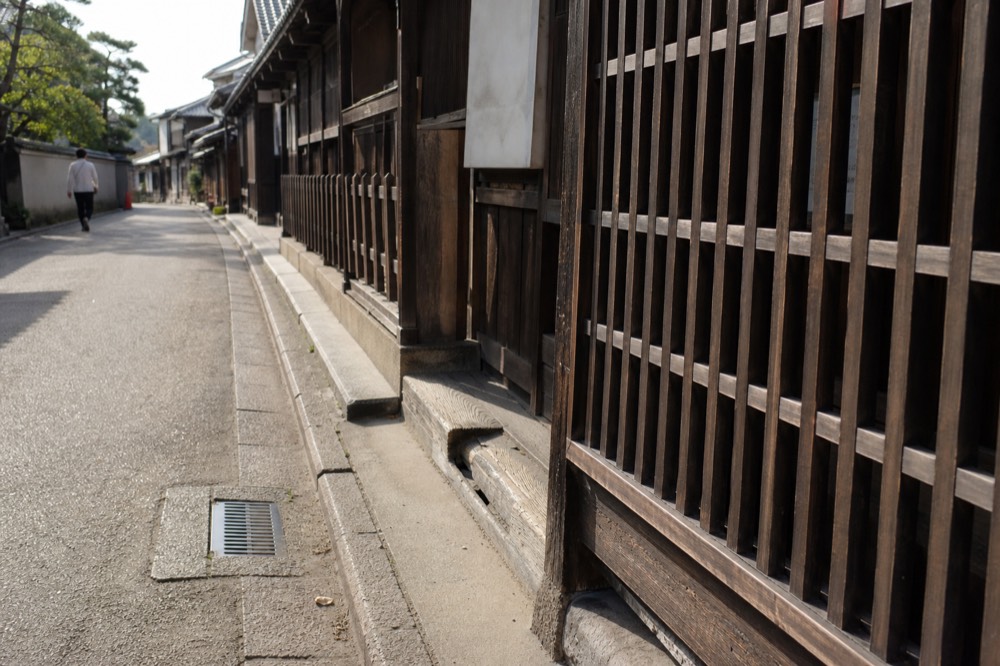
Timing matters more than money here. The lower tunnel is packed by mid-morning, and the shrine links visitors to the Kyoto City Tourism Association's crowd forecast and live cameras for the front and rear approaches. Early morning and late afternoon are the windows where the free experience is also the quiet one, and the paths stay walkable in fading light in summer.
Naramachi and Kyoto's free lanes
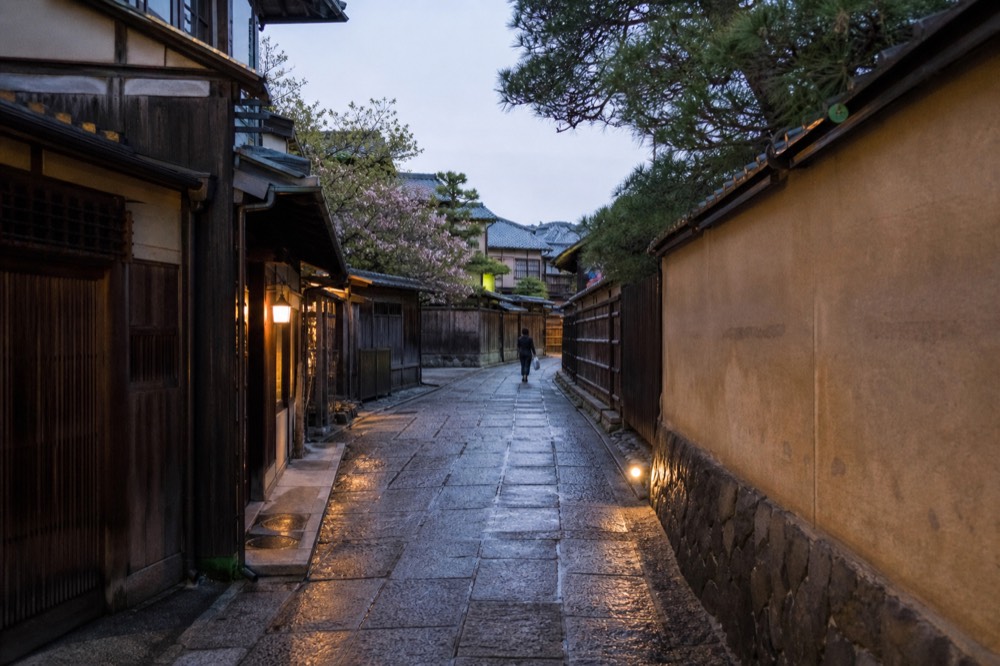
Naramachi's former merchant quarter, its lanes, machiya facades and the free Naramachi Koshino-ie house, plus Kyoto's free walking geography, the Gion streets, the Kamo riverbanks and the Philosopher's Path, cost nothing to wander. One rule matters in Gion: photography and entry are banned on the private alleys off Hanamikoji, with a 10,000 yen penalty, while the main street stays public.
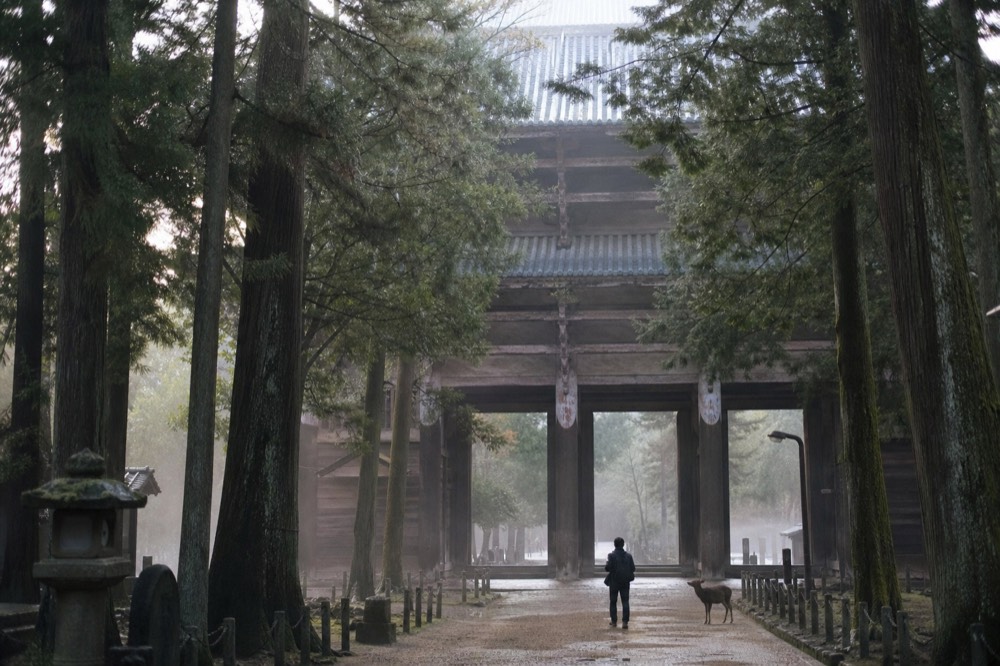
Naramachi is the quiet free counterweight to the park. The old merchant district sits south of the temple zone, and its lanes hold machiya townhouses, small shrines and the free Koshino-ie, a restored townhouse open to walk through. It is a twenty-minute loop from the park's southern edge and almost never crowded, which makes it the natural last stop of a free Nara day.
In Kyoto the free layer is mostly landscape and streets. The Gion district's main streets, the Shirakawa canal, the Kamo riverbanks and the Philosopher's Path all cost nothing, and the geisha photography guidelines published by the city ask visitors not to chase or photograph maiko and geiko without permission. The private-alley ban is enforced with signage and volunteers, and the penalty figure is real, so the free walk stays on the public streets.
Free walking tours: the GuruWalk option
Tip-based free walking tours exist in both Kyoto and Nara, and they are listed on GuruWalk, a platform that aggregates walks where the guide works for tips rather than a fixed fee. Booking one is a completely separate arrangement from the paid coach tour featured on this site: the guides are independent, the tour is not the day tour, and the only money involved is what you choose to tip at the end.
See this free tour on GuruWalk
GuruWalk is the platform these walks sit on, and it is the honest middle option between a fully free self-guided day and the paid coach tour. The walks cover the same free geography this page describes, the park, the shrine approaches, the old lanes, with a local guide who is paid by tips. Search the site for Kyoto and Nara and the current listings appear with their meeting points, durations and languages.
To be plain about the relationship: a GuruWalk booking is not a booking of the Kyoto and Nara day tour, and the featured coach tour does not include a tip-based walk. The two products share nothing but geography. If you want the free layer explained by a local, the walk does that for whatever you tip. If you want the paid interiors, the castle, the Golden Pavilion, the Great Buddha hall, unlocked with admissions and transport handled, that is what the coach tour sells.
What still charges: the honest fee table
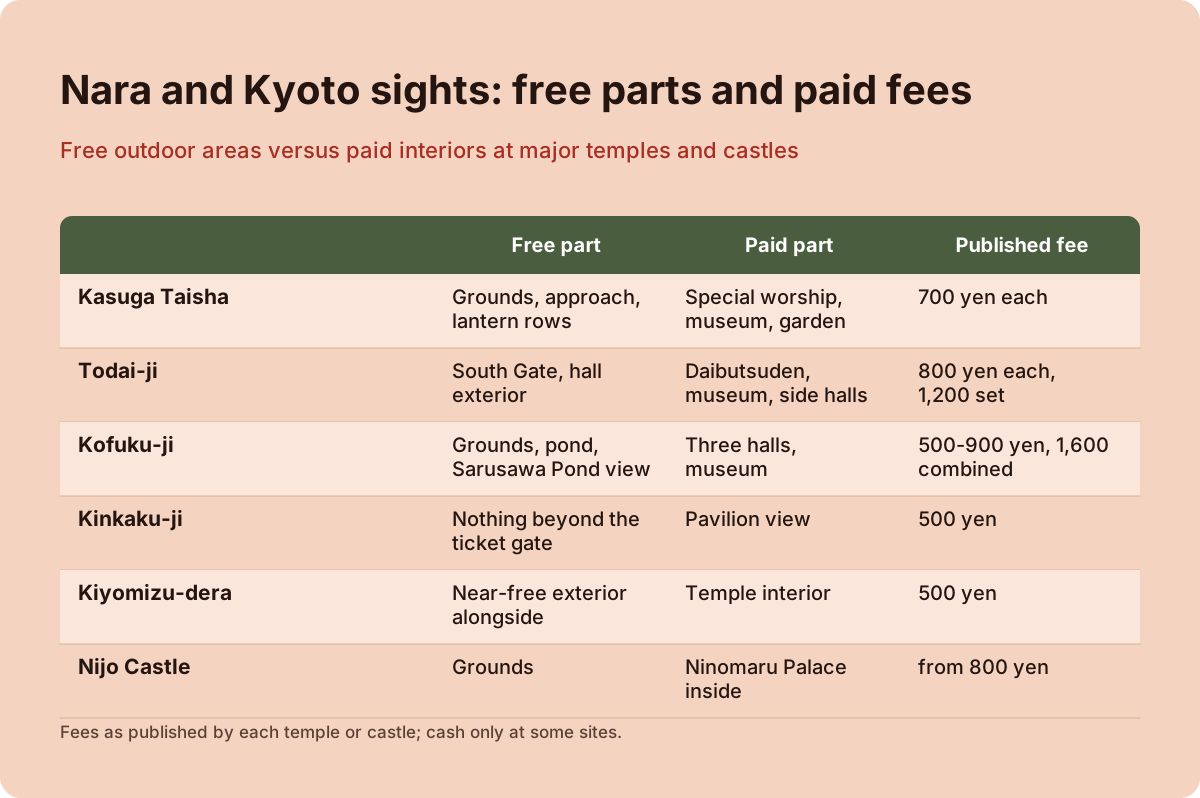
The paid layer in Nara and Kyoto is small but real: Todai-ji's Daibutsuden at 800 yen, Kofuku-ji's halls from 500 yen, Kasuga Taisha's inner worship at 700 yen, Kinkaku-ji at 500 yen, Kiyomizu-dera at about 500 yen, and Nijo Castle from 800 yen, with the castle plus Ninomaru Palace at 1,300 yen. Every figure below is the current published fee from the site itself.
Here is the full boundary in one place, so a free day can be planned against the paid one without guesswork.
| Sight | Free part | Paid part | Published fee |
|---|---|---|---|
| Nara Park and the deer | Everything | Shika senbei only | About 200 yen a bundle |
| Kasuga Taisha | Grounds, approach, lanterns | Special inner worship | 700 yen |
| Kofuku-ji | Precinct, pagoda view | Halls and museum | 500 to 900 yen, combined 1,600 yen |
| Todai-ji | Approach, Nara Park side | Daibutsuden | 800 yen, cash only |
| Fushimi Inari | Everything | Nothing | Free |
| Naramachi | Lanes, Koshino-ie | Nothing | Free |
| Kinkaku-ji | Nothing inside | Admission | 500 yen adult |
| Kiyomizu-dera | Nothing inside | Admission | About 500 yen |
| Nijo Castle | Nothing inside | Castle entry | 800 yen, or 1,300 with palace |
Two footnotes matter. Kinkaku-ji's 500 yen is the fee the temple itself posted, effective April 2023, up from 400. Nijo Castle's Honmaru Palace is a separate 1,000 yen on top of castle admission and now requires an advance web ticket released 30 days ahead, a change that breaks a lot of older itineraries; the city's own fee page spells it out.
Getting between the free sights cheaply
Transport is the one cost a free day cannot avoid, and it is modest: the JR Nara Line from Kyoto to Nara costs about 720 yen one way, the Kintetsu express about 760 yen, and Kyoto's city buses run a flat 230 yen in the central zone. A full free day in both cities can be done on roughly 2,000 to 3,000 yen of trains and buses.
The rail figures are live-search numbers rather than operator-published ones, so treat them as approximate and expect fares to change. The shape is reliable though: the JR Miyakoji Rapid covers Kyoto to Nara in about 45 minutes roughly every half hour, the Kintetsu limited express does it in about 35 minutes for a 520 yen surcharge on top of the fare, and Kintetsu Nara Station lands you a five to eight minute walk from the park, against 15 to 25 minutes from JR Nara Station.
| Route | Service | One-way fare | Journey time | Walk to Nara Park |
|---|---|---|---|---|
| Kyoto to Nara | JR Miyakoji Rapid | About 720 yen | About 45 minutes | 15 to 25 minutes |
| Kyoto to Nara | JR local | About 720 yen | About 60 to 75 minutes | 15 to 25 minutes |
| Kyoto to Nara | Kintetsu express | About 760 yen | About 45 minutes | 5 to 8 minutes |
| Kyoto to Nara | Kintetsu limited express | About 1,280 yen | About 35 minutes | 5 to 8 minutes |
| Within Kyoto | City bus, central zone | 230 yen flat | Varies | Not applicable |
In Kyoto itself, the free sights are mostly walkable or one flat bus fare apart. IC cards like ICOCA and Suica work on the city buses and Nara's local buses, contactless credit card tap does not, and large luggage can be refused on crowded city buses, so plan around lockers or the subway if you are moving with suitcases. For the arithmetic on the rail options in full, the Kyoto to Nara transport guide works through every route, and the Nara day trip from Kyoto covers the same question as a full itinerary.
If you would rather have a local lead you through the free layer instead of finding the way alone, the tip-based walks described above are the cheap way to do that, and they cover exactly the ground this page lists.
Free day versus paid day: the honest comparison
A free day in Nara and Kyoto delivers the deer, the shrine approaches, the torii mountain and the old lanes for the cost of transport, roughly 2,000 to 3,000 yen. The paid coach tour, from $191.65, delivers the interiors the free day skips, with a licensed guide and every transfer handled. Neither is a substitute for the other, and the right choice depends on whether the interiors matter to you.
The honest case for the free day is that the memorable half of both cities is open access. The deer, the lantern paths, the torii tunnels and the merchant lanes are the photographs people take home, and they cost nothing. The honest case for the paid day is that the interiors are the reason those landscapes exist, and a traveller who skips the Daibutsuden, the Golden Pavilion and the castle interiors has seen the frames but not the pictures.
There is also a middle path worth naming. Walk the free layer yourself on one day, then take the coach tour on another, and the two days barely overlap: the tour adds the interiors and the Kyoto sights, the free day adds Fushimi Inari and Naramachi, which the tour does not visit. That is the arrangement this site's own Kyoto Nara Day Tour sits inside, and it is why the free list here is written honestly rather than as a pitch against the paid product. For the wider set of options, the day trips from Kyoto guide compares the routings.
If the paid day is the one that fits, these are the options worth comparing.
The $191.65 Kyoto no-lunch departure is the from-price of the whole product, and skipping the included lunch is also the way around the tour's weakest reviewed element. It meets at 08:20 in Kyoto and covers the full route through Nijo Castle, Kinkaku-ji, the Kyoto Imperial Palace, Kasuga Taisha and Todai-ji with Nara Park.
The Osaka no-lunch departure costs more, meets earlier at 07:15, and ends at Osaka Namba rather than returning to Kyoto, which suits travellers routing onward to Osaka or the airport. It covers the same six stops and the same licensed-guide format.
Whichever departure you choose, the tour is the one product that unlocks the paid interiors in a single booking, and the free layer described across this page remains free either way. For a final side-by-side, the three most-booked options sit below.
Yes, the headline sights of both cities are free: Nara Park and its 1,687 deer, Kasuga Taisha's grounds, Kofuku-ji's precinct, Fushimi Inari's whole mountain and the Naramachi lanes cost nothing, while the paid interiors charge between 500 and 1,300 yen. The answers below cover the specifics.
Common questions about free things to do in Nara and Kyoto
Is Nara Park free to enter?
Yes, completely. The park is open at all hours and charges nothing, including for meeting the deer. The only optional cost is shika senbei, about 200 yen a bundle, and the foundation's rule is that the deer may be fed nothing else.
Is Fushimi Inari free?
Yes, everything: the Senbon Torii tunnel, the sub-shrines and the full hike to the Mount Inari summit. The shrine sets no closing time for the paths, and there is no admission charge anywhere on the mountain.
Can you see the Nara deer without paying?
Yes, the deer roam free across the park and the surrounding areas, and the 2026 census counted 1,687 of them. No ticket, gate or fee applies to any part of the park.
Do you have to pay to enter Kasuga Taisha?
The grounds, the forest approach and the lantern-lined paths are free. Only the special worship inside the middle gate charges, at 700 yen since October 2024, and it is optional.
Are free walking tours really free?
The walks listed on GuruWalk are tip-based: the guide works for tips rather than a fixed fee, so you pay what you choose at the end. They are a separate arrangement from the paid coach tour featured on this site, and booking one is not booking the day tour.
Can you do Nara and Kyoto in one day for free?
Mostly, yes. The free layers of both cities can be walked in one long day for roughly 2,000 to 3,000 yen of transport, though the paid interiors, Todai-ji's hall, Kinkaku-ji, the castle, would need a second day or the coach tour.