Is four hours in Nara enough?
Four hours in Nara covers Todai-ji, Nara Park and the deer, and Kasuga Taisha if you move fast. Here is what fits, what does not, and how the timing works in practice.
Is four hours in Nara enough?
Yes, four hours in Nara is enough for the core visit: Todai-ji's Great Buddha hall, the deer of Nara Park, and the approach to Kasuga Taisha, walked at a steady pace. It is not enough for the Kofuku-ji halls, the museum, Naramachi, or a relaxed lunch, so four hours works only if you accept a tightly sequenced route and cut the rest.
That is the short answer, and it comes with a caveat worth stating plainly. Four hours is the amount of time many visitors actually get in Nara, because many of them arrive on a coach day tour that budgets roughly that window before turning back toward Kyoto. It is also the window that independent travellers give themselves when they treat Nara as a half-day add-on to a Kyoto base. Both groups can make it work. Neither group can do everything.
The geography helps. Nara's headline sights sit close together. Kintetsu Nara Station is about a 5 to 8 minute walk from the edge of Nara Park, and from there the park, Todai-ji, Kasuga Taisha and Kofuku-ji form a rough loop you can walk end to end in under an hour without stopping. The question is not distance, it is queueing, ticket windows and the sheer gravitational pull of a thousand-plus deer.
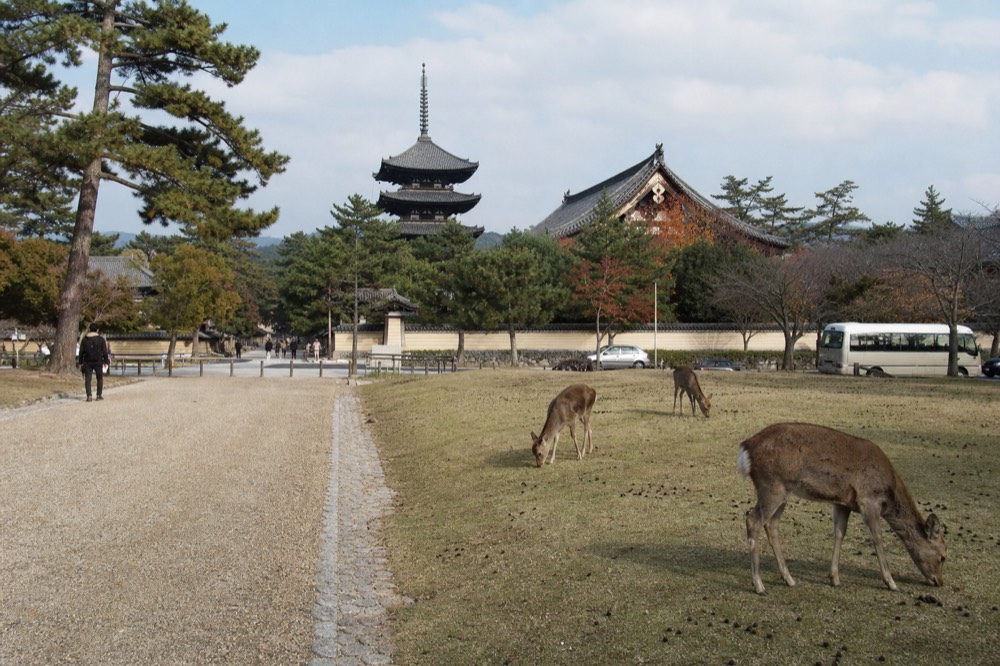
The 2026 deer census counted 1,687 animals in the park, up 222 on the previous year, according to the Nara Deer Preservation Foundation. Every one of those deer is a reason your schedule will slip, because feeding a bundle of shika senbei (about 200 yen from park vendors) is the single most absorbing thing to do in Nara and no timetable survives it intact.
If you are weighing Nara against other day trips from Kyoto, the comparison piece on day trips from Kyoto breaks down the alternatives; Nara wins on concentration, which is exactly why a short window works better here than almost anywhere else in Kansai.
What can you actually see in Nara in four hours?
In four hours you can see the Todai-ji Daibutsuden, spend unhurried time with the deer in Nara Park, and walk the lantern-lined approach to Kasuga Taisha, with a snack stop squeezed in. That is the realistic three-stop itinerary, and it is what most four-hour visitors end up doing whether they planned it or not.
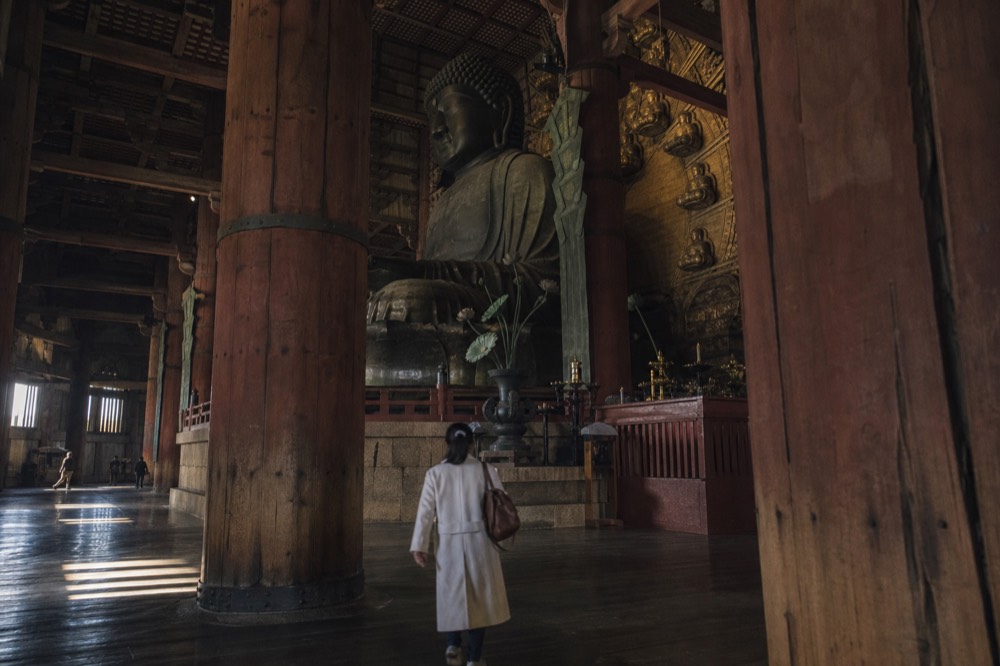
Start with the timing of the fixed-price items. Todai-ji's Daibutsuden, the Great Buddha hall, costs 800 yen for adults, cash only, with a 1,200 yen set ticket if you add the museum; hours are 07:30 to 17:30 from April to October and 08:00 to 17:00 from November to March, per the temple's own admission page. Budget 45 minutes inside: the hall is vast, 57.012 metres wide and 48.742 metres high, and the 14.98-metre Great Buddha deserves more than a glance through the doorway.
From the Daibutsuden, Nara Park is not a separate destination, it is the ground you are already standing on. The park has no gate and no ticket; the deer are there, and they are the show. Give this the largest single block of your four hours, at least an hour, because this is the part people actually remember. The foundation's guidance is worth reading before you go: feed the deer nothing except shika senbei, hand the cracker over fast, never hold it in a closed fist, and keep distance from stags between September and November when the rut makes them aggressive.
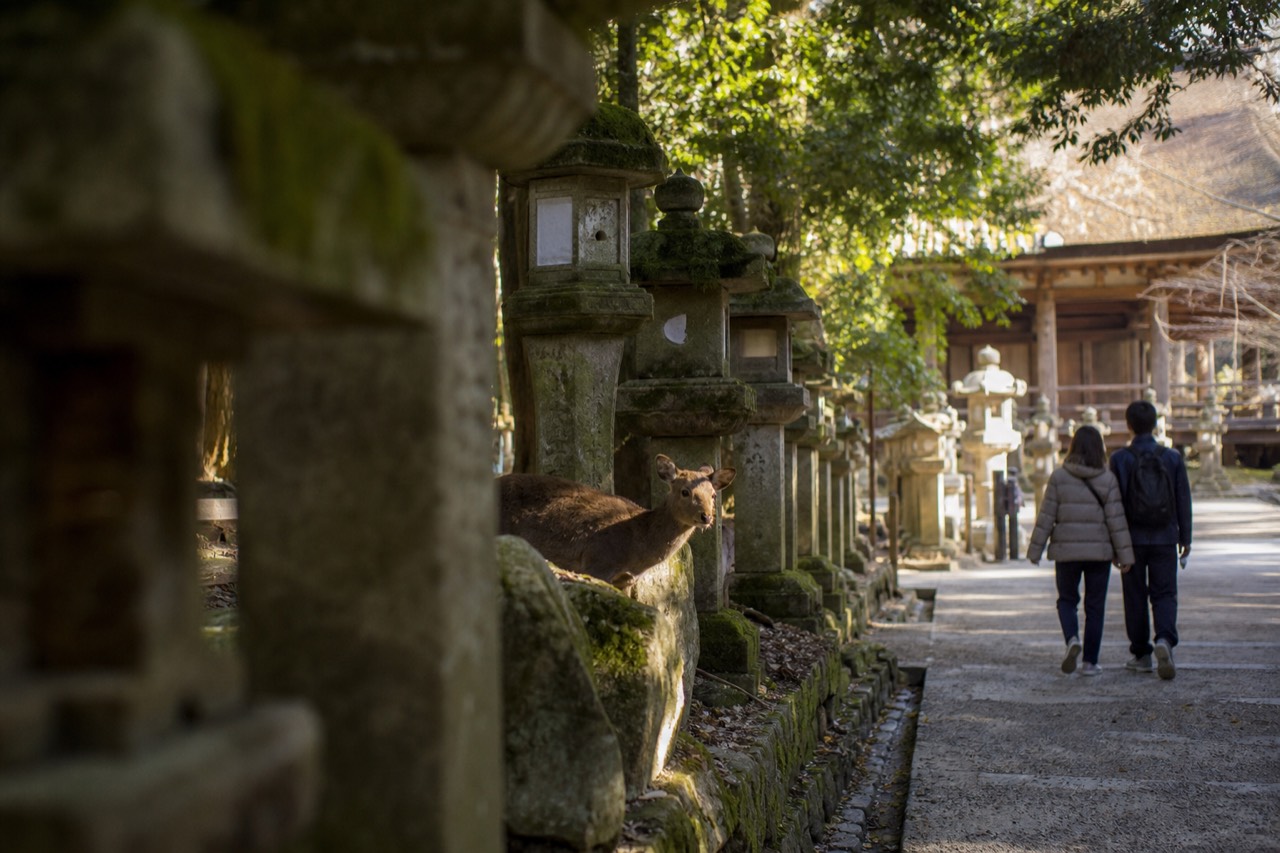
Kasuga Taisha's outer grounds are free and open from 06:30 (07:00 November to February). The special worship inside the middle gate costs 700 yen, a fee raised from 500 yen in October 2024 that many older guidebooks still get wrong. The approach, with its moss-covered stone lanterns, roughly 2,000 of them by the standard count, is the free part and the best part. Thirty to forty minutes covers it at a stroll.
| Stop | Time to allow | Admission |
|---|---|---|
| Todai-ji Daibutsuden | 45 min | 800 yen, cash only |
| Nara Park and the deer | an hour or more | free, senbei about 200 yen |
| Kasuga Taisha approach | 30-40 min | free; special worship 700 yen |
| Walking between them | 30-40 min total | - |
| Buffer for queues and photos | 30 min | - |
Add those rows up and the total lands close to four hours, exactly, with nothing to spare. If a temple hall or a shrine gate closes at 17:00 and you arrive at 13:30, the arithmetic is unforgiving. The deeper planning question, how many hours the park alone deserves, has its own breakdown in how many hours at Nara Park, and the short version is that the deer alone can absorb two hours without difficulty.
How long do Todai-ji and Nara Park really take?
Todai-ji's Daibutsuden takes about 45 minutes for a meaningful visit, and Nara Park deserves at least an hour if the deer are the point of your trip, so those two stops alone consume half of a four-hour window. Adding Kasuga Taisha's approach fills the rest with almost no slack, which is why four hours is the floor, not the comfortable number.
The Daibutsuden rewards slow looking. The present hall dates from 1709, built to seven bays rather than the original eleven because the earlier halls, about 88 metres wide, had bankrupted the project twice. The eye-opening ceremony for the Great Buddha was held in 752. Inside, a wooden pillar has a hole at its base said to be the size of the Buddha's nostril, and there is usually a small crowd waiting to squeeze through it. Rush this and you have seen a big building; give it 45 minutes and you have seen Nara's reason for existing.
Nara Park is the opposite problem: it expands to fill whatever you give it. The deer are habituated but wild, the foundation says so bluntly, noting that they bite, strike, butt and charge, and that older visitors and small children need extra care. June and November are the foundation's designated deer-protection months, calving and rut respectively, and behaviour shifts accordingly. A first-time visitor who buys one bundle of crackers will need 20 minutes to recover from the experience and will buy a second bundle.
One thing to strike from any four-hour plan: Kofuku-ji's pagoda as a photo op. The Five-Storied Pagoda, about 50 metres tall and the second-tallest wooden pagoda in Japan, has been completely enclosed in a steel weather cover since March 2025, and the temple's restoration project runs to March 2034. You can still pay 500 yen each for the Central Golden Hall or Eastern Golden Hall, or 1,600 yen for the combined ticket with the National Treasure Museum, cash only, but with four hours the pagoda-viewing instinct is simply outdated information.
What you cannot fit into four hours in Nara
In four hours you will miss the Nara National Museum, the Kofuku-ji interiors, Naramachi's old machiya streets, and any sit-down lunch beyond a rushed bowl of kakinoha sushi, because those four stops together need another three to four hours. Four hours buys Nara's greatest hits, not Nara itself.
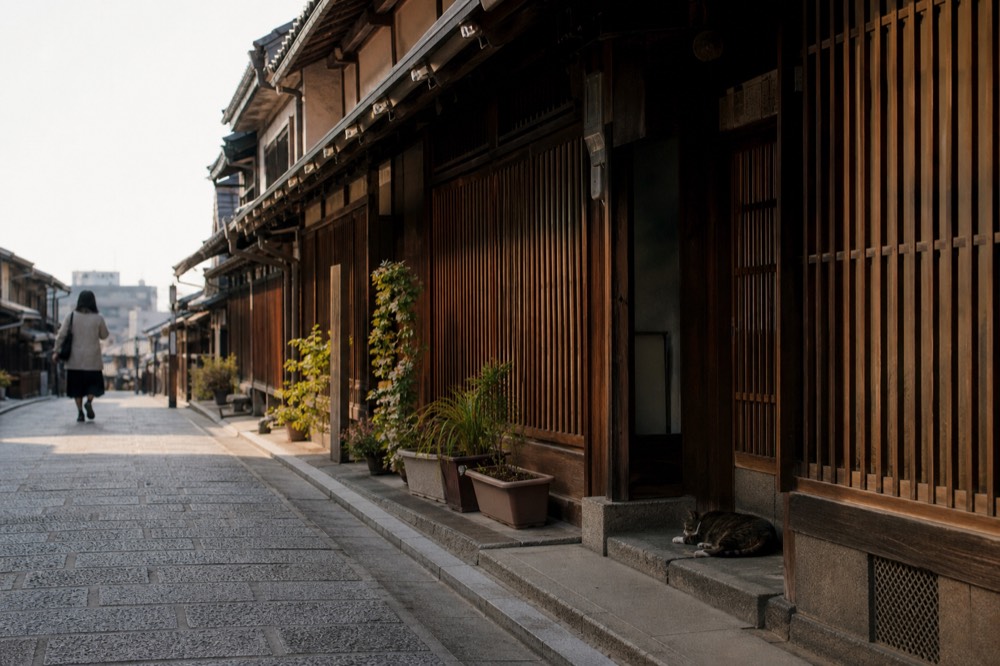
The Nara National Museum's Buddhist collection is the most painful cut for anyone with an interest in the subject, since it holds some of the finest temple sculpture in Japan and pairs naturally with the Daibutsuden. Naramachi, the old merchant quarter with its latticed townhouses, is a slow-walking neighbourhood, not a checkpoint. And a proper Nara lunch, the local kakinoha-zushi or a bowl of chagayu, wants an hour of your afternoon.
This is also where the honest word about the included lunch on the guided coach tours belongs. The set lunch on those itineraries is the listing's weakest element by its own reviewers' accounts, in reviews from 2015, 2017 and again in 2025. If you are booking a tour and food matters to you, the no-lunch options exist precisely so you can eat independently in Nara instead; the roundup of what food Nara is famous for is the better use of that hour than a coach-group set menu.
If your window is even tighter than four hours, the article on Nara in half a day strips the itinerary to its skeleton. The direction of travel is worth noticing, though: at three hours you are choosing between Kasuga Taisha and the deer; at four you get both; at six you get the museum too.
How a guided day tour uses its Nara time
The one bookable product on this site, the Kyoto and Nara day tour by JTB Sunrise Tours, gives Nara roughly a two-to-three-hour afternoon block covering Kasuga Taisha, Todai-ji and Nara Park, after a morning of Nijo Castle, Kinkaku-ji and the Kyoto Imperial Palace in Kyoto, which is slightly less than the four-hour independent window.
That is the trade the tour makes. A coach day runs about 10.5 hours from Kyoto, door to door, with about 60 to 80 minutes of driving between Kyoto and Nara each way, and the Kyoto half alone consumes the morning. What you lose in Nara minutes you gain in not having to plan transfers: the tour handles the coach, the admissions and the licensed English-speaking guide, and the from-price is $191.65 per adult for the Kyoto departure without lunch, with the other five options priced in Hong Kong dollars on the operator's listing.
The six options exist for exactly the four-hours question this article is about. Depart from Kyoto at the 08:20 meeting time, or from Osaka at 07:15, noting that the three Osaka options end at Osaka Namba and do not return to Kyoto. Take the included Western set lunch or the Indian thali option, or skip lunch entirely and eat in Nara on your own time, which, given the reviewers' consistent verdict on the set menu, is the choice worth considering seriously.
For a fuller picture of how a structured day compares with a self-directed one, what not to miss in Nara lists the sights in priority order, and the priority order is the same one this four-hour itinerary follows.
Is four hours enough if you arrive by train from Kyoto?
Four hours is enough for the core Nara loop whether you arrive by JR or Kintetsu, but Kintetsu Nara Station's 5 to 8 minute walk to the park, against roughly 15 to 25 minutes from JR Nara, quietly decides which station a short visit should use, and the ride itself costs about 45 minutes each way.
The Miyakoji Rapid on the JR Nara Line covers Kyoto to Nara in about 45 minutes, running roughly every half hour, with a one-way fare of about 720 yen; fares change, so treat that as approximate. The Kintetsu express does the run in about 45 minutes for about 760 yen, and the Kintetsu limited express shaves it to about 35 minutes for 1,280 yen with the surcharge included. A round trip costs roughly 1,440 yen on JR, which means no rail pass decides this journey; even the Japan Rail Pass, which rises in price on 1 October 2026 from 50,000 to 53,000 yen for the 7-day ordinary version, is irrelevant to a single Kyoto-Nara return.
The station choice matters more than the train choice. Arriving at Kintetsu Nara puts you at the park's edge within minutes, with Kofuku-ji essentially beside the station. Arriving at JR Nara adds up to 25 minutes of walking each way, which on a four-hour budget is a tenth of your total time spent on pavement. If your return train leaves from the other operator's station, plan the loop so it ends there rather than doubling back.
One seasonal note that catches visitors out: Kyoto's official maple colouring date, recorded by the Kyoto Local Meteorological Observatory, is normally 5 December, and it was 10 December in 2025. The mid-November peak-colour folklore that fills autumn itineraries is wrong for Kyoto and Nara; if autumn colour is why you are going, early December is the better bet, and the four-hour question becomes a daylight question, because Todai-ji's hall closes at 17:00 from November.
The verdict, then, is conditional but firm. Four hours is enough for the Nara that most people mean when they say Nara: the Great Buddha, the deer, the lantern approach. It is not enough for the city around those three, and pretending otherwise is how travellers end up sprinting through the Nara National Museum at closing time. Book the window honestly, spend the largest block of it with the deer, and the four hours will feel generous rather than short. That is the same logic Kyoto Nara Day Tour builds its own itineraries on: fewer stops, properly seen.
Four hours in Nara is enough for Todai-ji's Great Buddha hall, the deer of Nara Park and the Kasuga Taisha approach, but not for the museum, Kofuku-ji's interiors or Naramachi, and arriving at Kintetsu Nara rather than JR Nara saves close to half an hour of walking. The questions below cover the timing, the stations and the cash you will need.
Common questions about visiting Nara in four hours
Is four hours in Nara enough?
Yes, for the core visit: Todai-ji's Daibutsuden (800 yen, cash only), the deer of Nara Park, and the Kasuga Taisha approach fit inside four hours at a steady pace. The Nara National Museum, Kofuku-ji's interiors and Naramachi do not fit and should be cut deliberately rather than rushed.
Can you see Todai-ji and Nara Park in four hours?
Yes, comfortably. The Daibutsuden needs about 45 minutes, the park deserves at least an hour with the deer, and the walk between them is short. Add Kasuga Taisha's free approach and the four hours are full but not frantic.
How many hours do you need in Nara?
Four hours covers the greatest hits. Six hours adds the Nara National Museum and Naramachi, and a full day lets you include Kofuku-ji's halls, a proper lunch and the Kasuga Taisha botanical garden without sequencing pressure.
Is Nara worth visiting for only half a day?
Yes. Nara's sights are unusually concentrated, with the park, Todai-ji and Kasuga Taisha walkable in one loop, so a half-day window delivers more per minute than almost any other day trip from Kyoto.
What is the best station to arrive at for a short Nara visit?
Kintetsu Nara Station. It sits about 5 to 8 minutes from the park edge, against roughly 15 to 25 minutes from JR Nara, which on a four-hour budget saves close to half an hour of round-trip walking.
Do you need cash in Nara?
Yes. Todai-ji states on its own admission page that payment is cash only, and Kofuku-ji says the same for its halls and museum. Buses accept IC cards such as ICOCA and Suica, but temple admissions expect yen.