How many hours do you need at Nara Park?
A practical timing guide to Nara Park: what two, four and six hours each buy you, why temples are cash-only, and how an organised Kyoto and Nara day tour fits the timing.
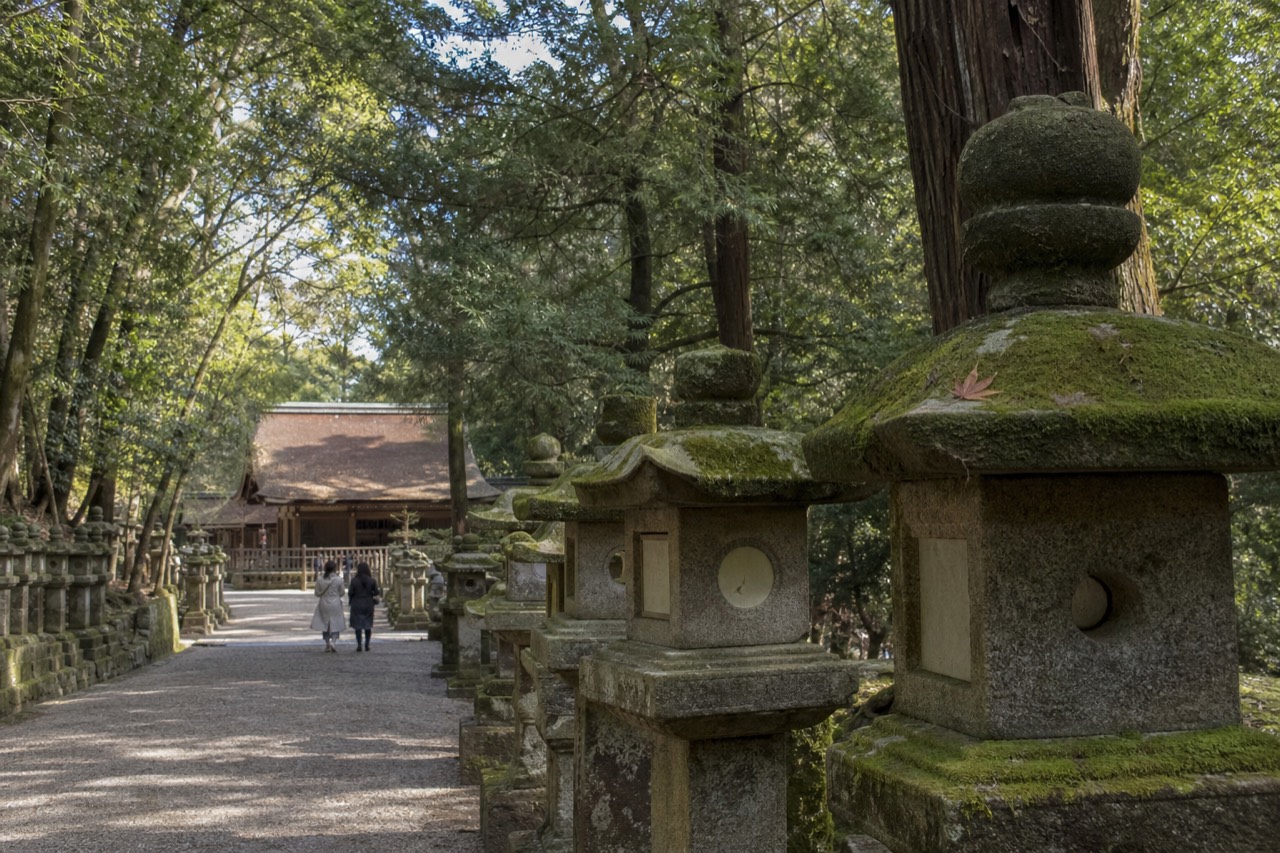
Most first-time visitors budget either far too little or far too much time for Nara. The park itself is a public, gateless space where the famous deer roam free, so there is no queue to enter and no ticket to buy at the boundary; the clock starts when you leave the station and stops when you get back on a train. What the visit actually costs in hours depends on three things: which station you arrive at, whether you want to go inside Todai-ji's Great Buddha Hall, and how long the deer hold your attention.
How many hours do you need at Nara Park?
Plan on four hours for a comfortable visit that covers the classic loop from Kintetsu Nara Station through Nara Park to Todai-ji's Great Buddha Hall and back, with the Kasuga Taisha approach and time to feed the deer without rushing. Two hours works only as a bare minimum for that loop, while six hours or more suits travelers who want lunch, a museum, and the slower back streets.
The station choice matters more than almost anything else on this page. Kintetsu Nara Station sits about 5 to 8 minutes on foot from the edge of Nara Park and the Kofuku-ji temple complex, so the walk eats almost nothing from your schedule. JR Nara Station is a different story: the walk from there to the park area runs roughly 15 to 25 minutes, which is 30 to 50 minutes of pure travel carved out of a short visit before you have seen a single deer. Both stations are well connected to Kyoto, but if your time budget is tight, planning around Kintetsu Nara is the single easiest way to buy yourself an extra half hour.
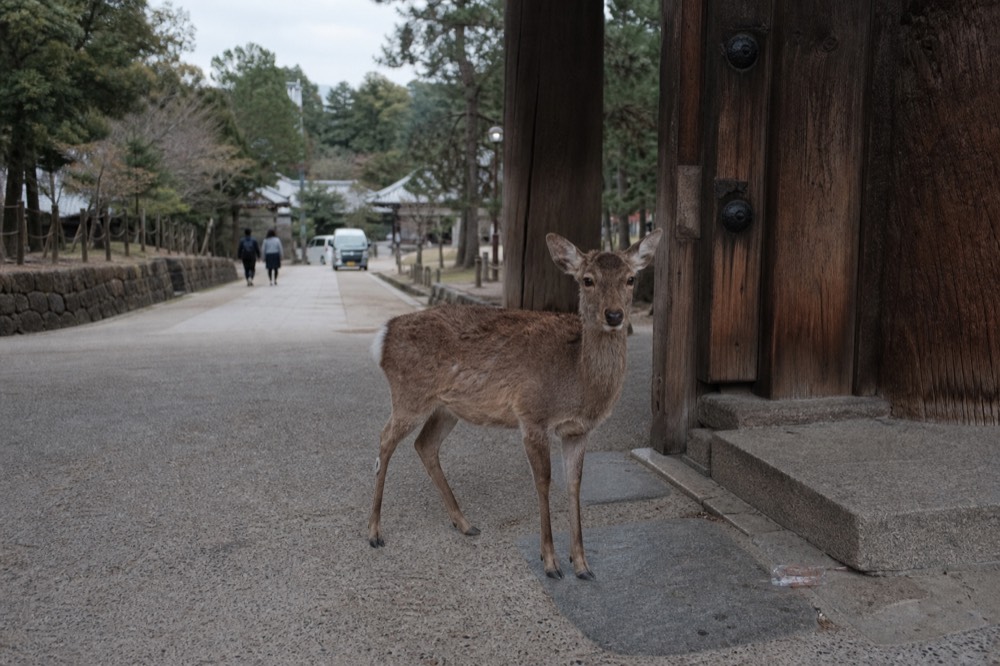
The deer are the wildcard in every timing estimate. Nara Park's deer population reached 1,687 in the July 2026 census, up 222 on the previous year, according to the Nara Deer Preservation Foundation's own published count. More deer means more encounters, more photos, and more visitors standing still in the middle of the path. If you plan to buy a bundle of shika senbei (deer crackers, about 200 yen for roughly ten) and hand them over, budget twenty minutes for the feeding itself; the deer follow anyone holding food, and the foundation's guidance is to hand the cracker over quickly rather than teasing.
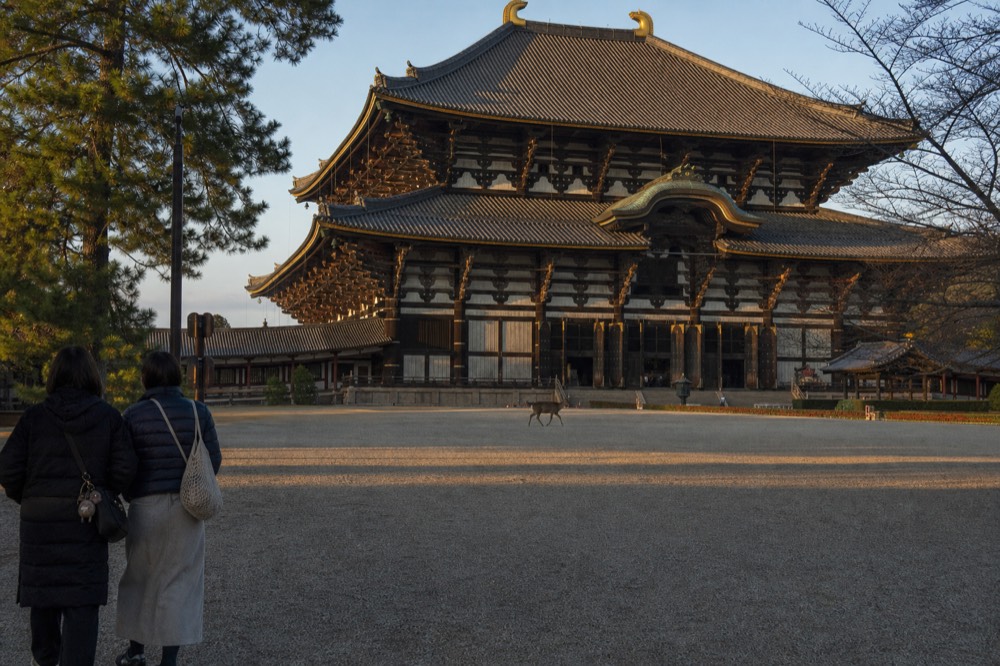
The Great Buddha Hall is the other fixed cost in your schedule. Todai-ji charges 800 yen per adult for the Daibutsuden, admission is cash only, and the hall keeps hours of 07:30 to 17:30 from April to October and 08:00 to 17:00 from November to March, per the temple's own admission page. The hall is enormous, 57.012 metres east to west and 48.742 metres high, and most visitors spend 30 to 45 minutes inside, longer if they queue for the audio guide desk or the pillar with the hole in its base that children crawl through.
For travellers pairing Nara with Kyoto in a single day, the time question gets sharper, because the road transfer between the two cities takes about 60 to 80 minutes each way depending on traffic. A coach tour compresses that decision for you.
What can you actually cover in two hours?
A two-hour visit works if you treat it as a single-loop walk: Kintetsu Nara Station, through the Kofuku-ji precinct and the deer lawns, into the Great Buddha Hall at Todai-ji, and back by the same route. It does not work from JR Nara Station, and it does not allow for Kasuga Taisha's inner worship area, the Kofuku-ji halls, lunch, or any museum. Two hours is a sighting run, not a visit.
The shape of the loop is simple. From Kintetsu Nara you reach the park edge in under ten minutes. The open lawns between Kofuku-ji and Todai-ji are where the deer congregate and where most photographs are taken. From the lawns to the Daibutsuden gate is another ten to fifteen minutes of walking, partly up a gentle slope. Inside the hall, give it half an hour. The return leg retraces your steps. Add a margin for the cash-only ticket window, because Todai-ji does not take cards at the gate, and temples in Nara generally prefer cash; 7-Eleven and Japan Post ATMs accept foreign cards if you arrive short of yen.
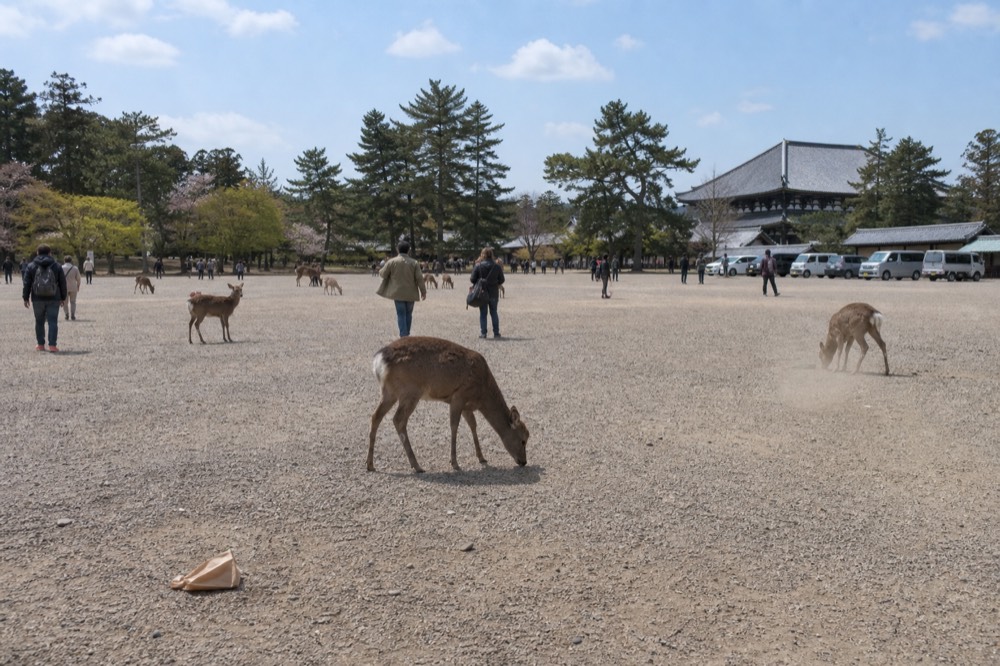
One thing to check before a short visit: the Kofuku-ji Five-Storied Pagoda, the landmark visible from the park, has been completely enclosed in a roughly 60-metre steel weather cover since March 2025 and will remain so until its scheduled completion in March 2034. Visitors who budget two hours around photographing the pagoda find a shrouded scaffold instead. The Central Golden Hall, Eastern Golden Hall and National Treasure Museum remain open, with a combined ticket at 1,600 yen for adults, sold only between 09:00 and 16:00 and cash only, per the temple's visitor guide.
Here is how the common time budgets break down in practice:
| Time budget | What it realistically covers | What it leaves out |
|---|---|---|
| 2 hours | Deer lawns, one feeding, the Great Buddha Hall, the walk from Kintetsu Nara | Kasuga Taisha's paid areas, all Kofuku-ji interiors, lunch, museums, Naramachi |
| 4 hours | Everything above plus the Kasuga Taisha approach and inner special worship, a relaxed lunch or the Kofuku-ji halls | Naramachi, the Nara National Museum, garden visits |
| 6 hours | All of the main sights plus lunch, the museum or the botanical garden, and unhurried deer time | Only suits visitors with a genuine full-day appetite for Nara |
The four-hour figure is where most independent travellers land, and it is also roughly the window that organised day tours allocate to the Nara half of their itinerary. If you are weighing a guided day against doing it yourself, the timing math is one of the strongest arguments for the tour: someone else absorbs the transfer, the ticket windows, and the walk between sights.
Is half a day enough for Nara Park?
Half a day, meaning four to five hours on the ground, is enough for the core Nara Park experience and then some: the deer, the Great Buddha Hall inside and out, the lantern-lined approach to Kasuga Taisha, and either lunch or one of the Kofuku-ji halls. What half a day cannot absorb is Nara's deeper layer, the Naramachi old town, the national museum, and the outlying temple halls, without cutting something from the core loop.
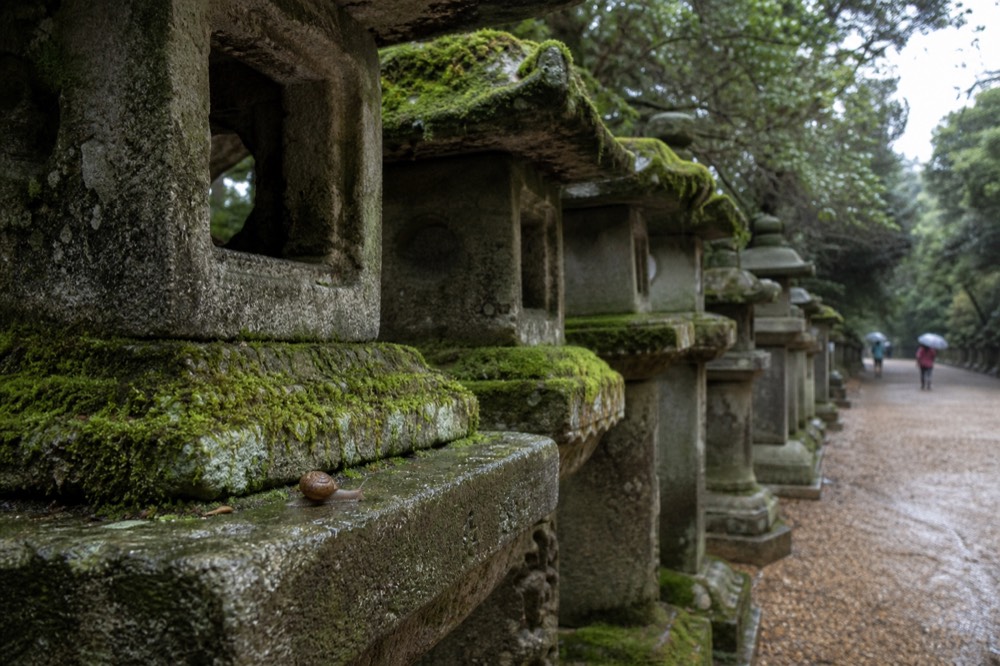
Kasuga Taisha is the piece most short itineraries wrongly skip. The approach through the primeval forest, flanked by stone lanterns mantled in moss, is free and takes about twenty minutes each way at a walking pace. The shrine's outer grounds cost nothing; the paid layer is the special worship inside the middle gate at 700 yen, a fee raised from 500 yen on 1 October 2024, with the worship window running 09:00 to 16:00. The shrine is open from 06:30 to 17:30 March to October and 07:00 to 17:00 November to February. The lantern figures you will read elsewhere, roughly 2,000 stone and 1,000 hanging, are estimates rather than a shrine-published total, so treat them as scale rather than count.
Half a day also buys you a proper lunch, and in Nara that is worth doing. The streets around Naramachi and the approach to the park have the full range, from kakinoha-zushi (persimmon-leaf pressed sushi) to simple noodle shops, and a sit-down lunch costs a softer 45 to 60 minutes than most schedules allow. If you are taking an organised tour instead, be aware that the included lunch on the standard Kyoto and Nara day options has drawn repeated criticism from reviewers going back years; the cheaper no-lunch departure skips it entirely and leaves the meal to Nara itself, which most visitors will tell you is the better trade.
The one group for whom half a day is genuinely tight is families with small children. The foundation's own safety guidance notes that the deer bite, strike, butt and charge, and that older visitors and small children need extra care; feeding stations get busy, and the walk between Todai-ji and Kasuga Taisha is longer than it looks on a map with a tired five-year-old. Families should plan toward the top of the half-day range or trim a sight.
For travellers who want both Kyoto's headline sights and Nara in a single day, the only realistic structure is an organised coach tour, since the two cities are 60 to 80 minutes apart by road and Kyoto's own sights take hours on their own. The Kyoto and Nara day tour by JTB Sunrise Tours handles exactly that pairing.
What slows people down: crowds, cash and the deer calendar
Three things quietly eat time at Nara Park: cash-only admissions, seasonal deer behaviour, and the walking distances between sights, which most maps understate. None of them appears on a timetable, but together they are the reason a plan that says two hours often takes four. Todai-ji and Kofuku-ji both state on their own pages that admission is cash only, and there is no card machine at the deer cracker stalls either.
Cash is the most avoidable delay. Arrive with yen and the ticket windows take seconds; arrive without it and you are walking to an ATM and back. The deer calendar is less controllable. The Nara Deer Preservation Foundation designates June, the calving period, and November, the rut, as deer-protection months: does with newborn fawns turn aggressive around a birth, and stags from September to November must not be approached, even those whose antlers have been cut. In those windows the deer interactions that anchor most visits need more caution and more patience, and the feeding stops can take longer or feel less relaxed.
Walking time is the honest surprise. The park is not a single lawn but a chain of connected spaces running from Kofuku-ji at the station end to Kasuga Taisha at the forest end, with Todai-ji sitting in the middle. End to end, station to shrine, is a genuine 30 to 40 minutes of walking even without stops, and most visits involve the route twice. That is before you count the detour everyone takes for one more photograph of a deer bowing for a cracker.
Finally, a note for anyone pairing this with Kyoto planning: the belief that Kyoto's maples peak in mid-November is folklore. The Kyoto Local Meteorological Observatory's own phenology record puts the normal maple-colouring date at 5 December, and in 2025 it was 10 December. Late November visits catch ginkgo gold in Kyoto but the maples are usually still green; if autumn colour is the reason for the trip, shift the dates into December rather than earlier.
A realistic timing plan, hour by hour
A four-hour plan built around Kintetsu Nara Station looks like this: hour one for the station walk, the Kofuku-ji precinct and the first deer encounter; hour two for Todai-ji's Great Buddha Hall; hour three for the Kasuga Taisha approach and its paid worship area; hour four for lunch or a final unhurried pass through the deer lawns on the way back. Compress it to two hours by cutting Kasuga Taisha and lunch.
Stretching it to six hours means keeping everything and adding a museum, and the order matters less than the direction. Arriving from Kyoto or Osaka in the morning puts you at the park before the tour coaches, which typically reach Nara after their Kyoto morning stops, so the deer lawns are calmer before late morning and busier after it. Late afternoon reverses the effect: the coaches leave, the light across the lawns softens, and Todai-ji's last entry window, 17:00 in the November-to-March season and 17:30 from April to October, still leaves time for the hall after the crowds thin.
For anyone whose Nara visit is one half of a Kyoto-plus-Nara day, the arithmetic rarely favours going independent. Kyoto's three most-visited sights take a full morning on their own, the road transfer takes up to 80 minutes each way, and Nara's core needs its four hours; that is a 10-to-12-hour day with no margin for a missed bus. The organised option bundles the coach, a licensed English-speaking guide, and the admissions, and the no-lunch Kyoto departure at $191.65 is the cheapest way onto it. The site behind this article, Kyoto Nara Day Tour, covers the full option list, including the Osaka departures, which start earlier and end at Osaka Namba rather than returning to Kyoto.
If instead Nara is your whole day and Kyoto is a separate one, read the planning piece on how to plan a Nara day trip from Kyoto first, and the timing comparison in can you see Kyoto and Nara in one day before booking anything, since the two questions decide each other.
However you structure it, resist the temptation to plan Nara Park to the minute. The place rewards drift: a deer that decides to follow you, a lantern path that looks worth one more photograph, a bowl of noodles that turns into a second. Budget four hours, hold two in reserve, and let the park take what it needs.
Two hours is the minimum loop, four hours is the comfortable standard, and six hours covers the deeper layer of museums and old streets. The questions below cover the details travellers ask most: which station to use, the cash-only admissions, when the deer need extra caution, and whether half a day is genuinely enough.
Common questions about visiting Nara Park
How many hours do you need at Nara Park?
Two hours covers the minimum loop from Kintetsu Nara Station: the deer lawns and the Great Buddha Hall. Four hours is the comfortable standard, adding the Kasuga Taisha approach and either lunch or the Kofuku-ji halls. Six hours suits visitors who want the museums and Naramachi as well.
Is Nara Park or Todai-ji better use of limited time?
They are the same stop. The deer lawns and Todai-ji's Great Buddha Hall sit inside one walkable loop, about ten to fifteen minutes apart on foot, so you do not choose between them; a two-hour visit covers both.
Do I need to arrive by Kintetsu rather than JR?
For short visits, yes. Kintetsu Nara Station is about 5 to 8 minutes from the park edge, while JR Nara Station is roughly 15 to 25 minutes away on foot. From JR Nara, add half an hour to any time budget.
Are the temple admissions cash only?
Yes. Todai-ji and Kofuku-ji both state on their own pages that admission is cash only. Deer crackers also sell for cash, about 200 yen a bundle, so arrive with yen; 7-Eleven and Japan Post ATMs accept foreign cards.
When are the deer unsafe to approach?
Calving runs mid-May through June, and the rut runs September to November. The Nara Deer Preservation Foundation designates June and November as deer-protection months: does with fawns and stags in the rut turn aggressive and should not be approached. Feed only shika senbei, and hand the cracker over quickly.
Can you do Nara Park in half a day?
Yes, comfortably. Four to five hours covers the deer, the Great Buddha Hall inside and out, Kasuga Taisha's approach and special worship area, and lunch. Naramachi, the national museum and the botanical garden are what push the visit to a full day.