What should I not miss in Kyoto?
The sights that define Kyoto in a single day: Kinkaku-ji, Nijo Castle, the Imperial Palace, and the open-air icons the day tours skip, with verified fees and hours.
What should I not miss in Kyoto?
If you have one day, the unmissable core is Kinkaku-ji, Nijo Castle with its Ninomaru Palace, and the Kyoto Imperial Palace grounds, followed by Fushimi Inari's torii tunnels and the Kiyomizu-dera stage if time allows. The first three sit on a sensible coach route; the last two do not, and most day tours, including the one this site covers, leave them out entirely.
That split is the honest starting point. Kyoto rewards a week, but almost nobody has a week. So the question becomes a routing problem: which sights cluster together, which ones fight each other geographically, and which can you genuinely see between a morning start and dusk.
The temples below were chosen because each one delivers something no other stop in the city does. Kinkaku-ji is the image of Kyoto the world carries. Nijo Castle is political history you can walk through, floorboards that chirp underfoot by design. The Imperial Palace is a landscape of raked gravel and restraint. Fushimi Inari is a mountain wrapped in vermilion gates, and Kiyomizu-dera is a wooden stage hanging off a hillside with all of Kyoto below it.
The coach day run by JTB Sunrise Tours, rated 4.8 from 32 reviews and priced from $191.65 per adult, takes in Nijo Castle, Kinkaku-ji, the Kyoto Imperial Palace and then continues to Nara for Kasuga Taisha and Todai-ji. It is a Kyoto-and-Nara day, not a Kyoto-only day, and that shape suits visitors who want both cities without planning two separate itineraries.
Is Kinkaku-ji worth the crowd?
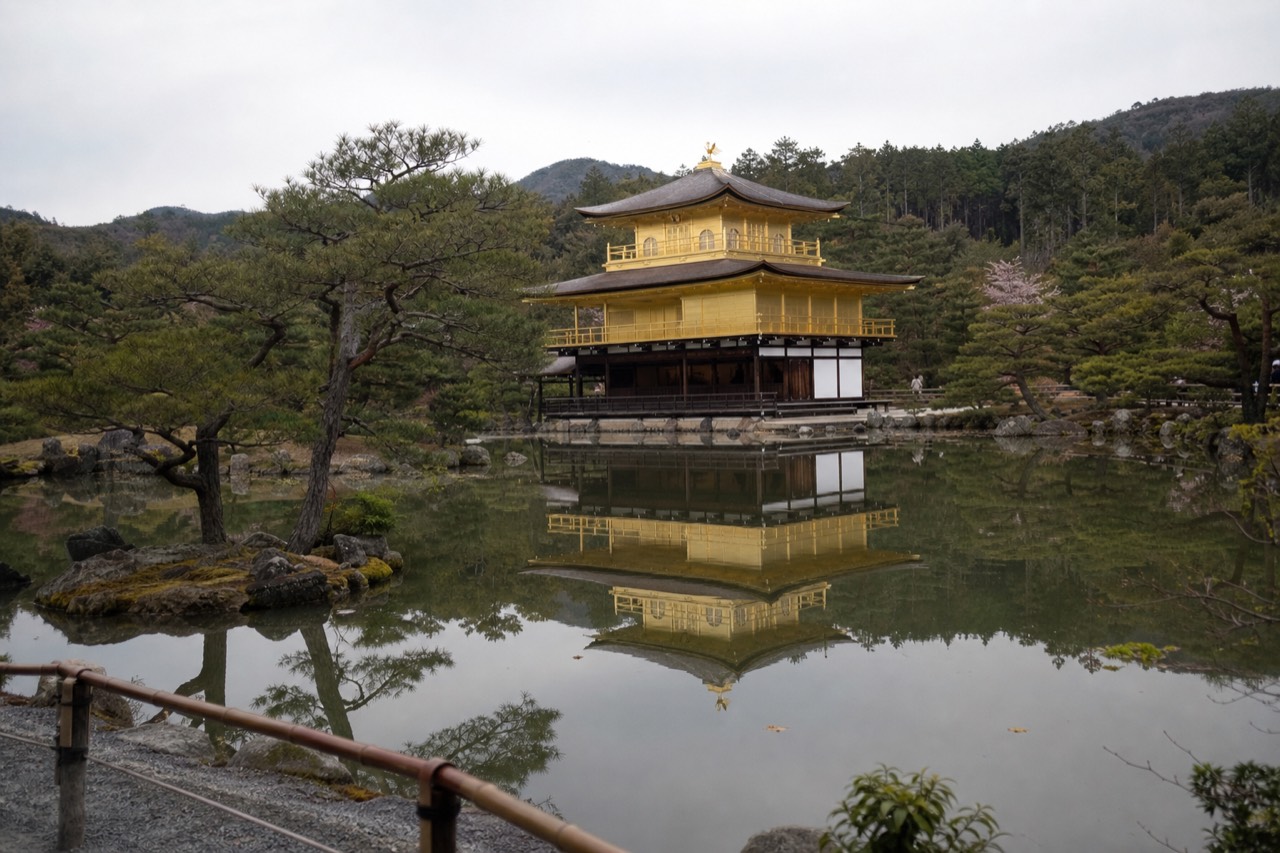
Yes, and the crowd is the price of admission rather than a reason to skip it. The Golden Pavilion is a three-storey structure whose upper two floors are covered in gold leaf, reflected in the Kyoko-chi Mirror Pond, and there is no other building in Kyoto that lands the same first impression. Adults pay 500 yen, and the grounds open 09:00 to 17:00 every day of the year.
The reflection shot from the northwest edge of the pond is the one everybody takes, and it is worth taking. The temple's own guide pages note the Mirror Pond covers about 6,600 square metres, and the wider grounds run to about 132,000 square metres, of which 92,400 are designated a Special Historic Site and Special Place of Scenic Beauty. You are not standing in a garden so much as inside a classified landscape.
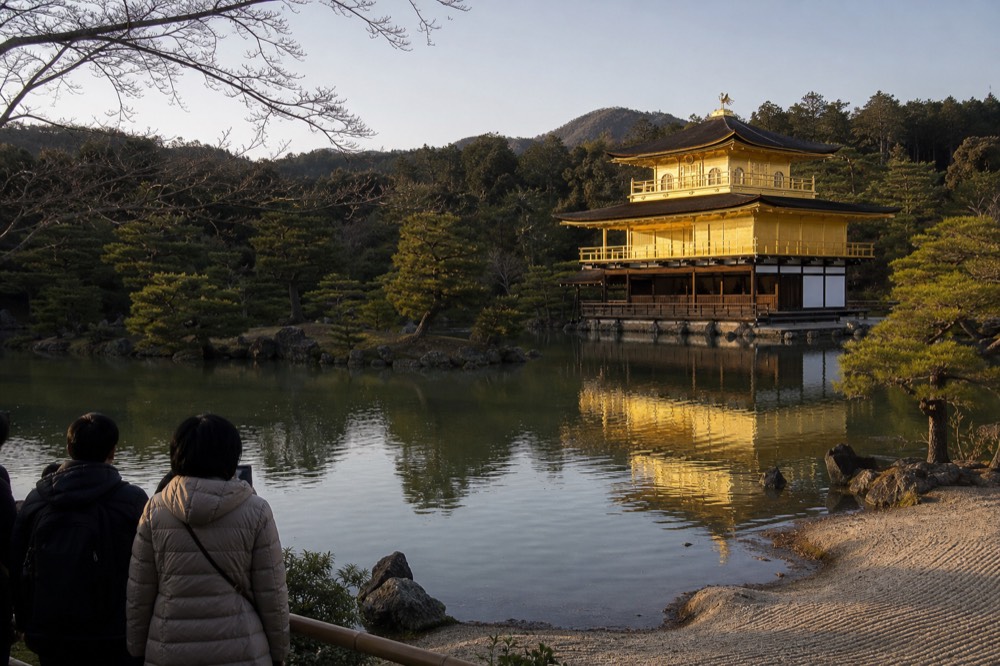
Arrive at 09:00 sharp or after 15:30. Between those hours the viewing areas thicken quickly, and the path is a one-way circuit with no quiet pockets. The current 500 yen adult fee took effect on 1 April 2023, up from 400, and children of elementary and junior high age pay 300; below school age, entry is free, per the fee notice on the temple's own site.
The 1950 arson fire and the 1955 rebuild, followed by a full gold-leaf recoating in 1987, are part of the standard history, though the temple's own English pages say less about it than the guidebooks do. What is certain on the temple's record: the building you photograph dates from the mid twentieth century, and that fact bothers almost nobody standing at the pond.
Why does Nijo Castle reward a full hour?
Because its Ninomaru-goten Palace is the best-preserved example of samurai-era power architecture open to visitors in Kyoto, a sequence of bare tatami chambers, painted screens and nightingale floors built for a shogun, not a monk. Admission to the castle is 800 yen; castle plus Ninomaru Palace is 1,300 yen, and the palace add-on is the entire point of going.
The city of Kyoto operates the castle, and its official admission page carries the current schedule. Walk the corridors slowly. The nightingale floors squeak by design, a security feature that announced movement to the guards four centuries ago, and it still works on every visitor today.
The Honmaru-goten Palace is a separate 1,000 yen on top of castle admission, and it now requires an advance web ticket released 30 days ahead, even for visitors exempt from the castle fee. That booking requirement breaks most older itineraries, including many published ones that never mention it. If you want the second palace, plan it weeks in advance, not on the bus into town.
A guided coach day handles this planning for you. The Kyoto and Nara day tour includes the castle admission, a licensed English-speaking guide and the coach between stops, which is the practical case for it in a city where each sight sits at the end of its own bus route.
What about the Kyoto Imperial Palace?
The Imperial Palace park is free to enter, and the palace itself, once the Emperor's Kyoto residence, is a study in austerity: dark cypress bark roofs, raked gravel courtyards and long verandas, a deliberate contrast to the gilt of Kinkaku-ji. It rewards a slow circuit more than any other stop on this list, and it sits within walking distance of Nijo Castle.
The palace is the stop most casual itineraries drop, which is exactly why the coach tour's inclusion of it is unusual. Combined with Nijo Castle it tells a single story: the shogun's ornamental fortress on one side of town, the Emperor's deliberately plain seat on the other, and the long political chess match between them that only ended once power moved away to Tokyo. When the capital followed the court east, Kyoto kept its palaces and its silence, and that abandonment is precisely why the buildings survived.
The surrounding Kyoto Gyoen park is a flat green expanse of gravel paths and pines, open to the public at all hours and refreshingly uncrowded even in cherry season, when the trees along the paths draw locals rather than tour groups. It is the best free hour in central Kyoto. Bring nothing but time; there is no ticket desk to pass and no queue to join.
Are Fushimi Inari and Kiyomizu-dera on the day tour?
No, and no honest article should blur this: Fushimi Inari Taisha and Kiyomizu-dera are not stops on the Kyoto and Nara day tour this site covers. The tour visits Nijo Castle, Kinkaku-ji, the Imperial Palace, Kasuga Taisha and Todai-ji with Nara Park, and nothing else. If the torii tunnels or the wooden stage are priorities, you need a separate morning or evening for them.
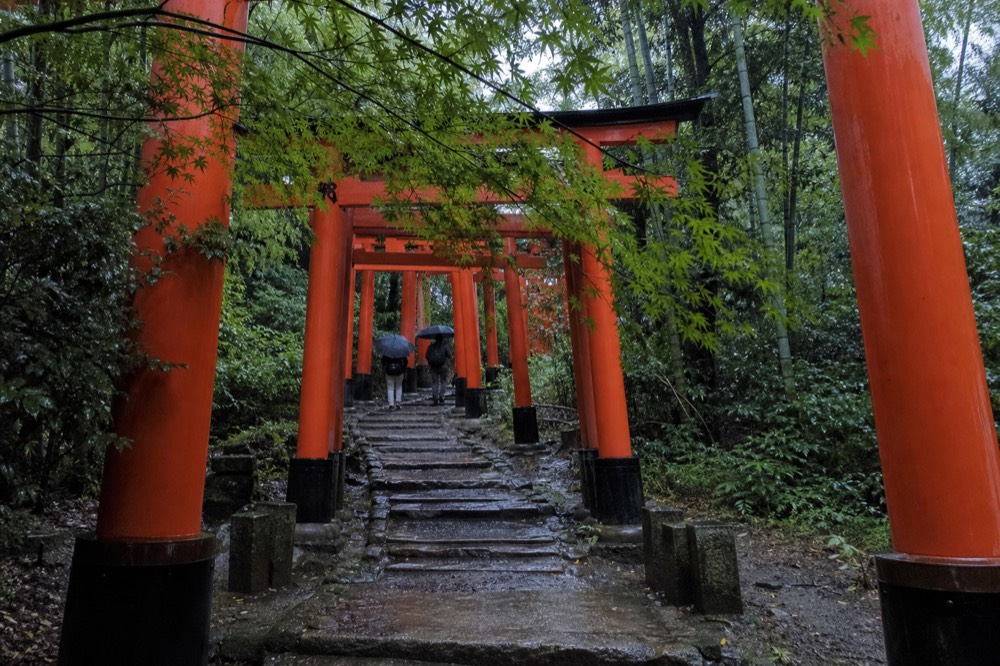
Both are worth that separate slot. Fushimi Inari is free to enter, and the shrine says on its own FAQ page that about 10,000 torii of all sizes stand along the mountain paths, a figure covering the whole mountain rather than the famous Senbon Torii tunnel alone. The full summit round trip takes about two to three hours; most visitors walk only the lower tunnels, which takes under an hour.
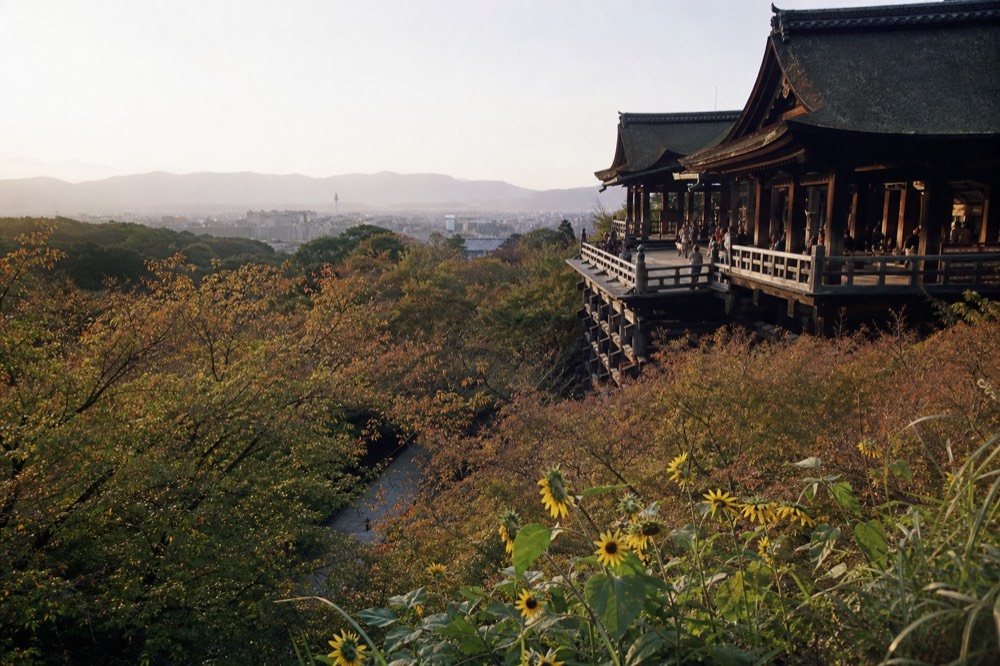
Kiyomizu-dera's stage stands nearly 13 metres above the hillside on 18 zelkova pillars, joined without a single nail according to the temple's own history pages. The temple publishes a full 2026 hours table on its official access page: standard days run 06:00 to 18:00, with extended 06:00 to 21:30 openings for the spring, summer and autumn night viewings. Admission is about 500 yen, a figure the temple itself does not publish on the pages visitors can read.
The practical pairing is an early morning at Fushimi Inari, before the tunnels thicken, followed by Kiyomizu-dera when its gates open at six. Neither charges enough to strain a budget, and both are at their best before nine.
One note on the tour options: the included lunch draws the most criticism in the listing's own reviews, in 2015, 2017 and again in 2025. The no-lunch departure, meeting in Kyoto at 08:20, is the from-price option at $191.65 per adult, and eating independently in Nara near the park is both cheaper and better.
When is the best time of year for these sights?
Late March into early April for cherry blossom, and early December for maple colour, if you trust the weather agency's own records over the guidebook folklore. Kyoto's official maple colouring date is a December date, normally 5 December, not the mid-November window that most autumn-colour articles repeat.
The Kyoto Local Meteorological Observatory has recorded the city's cherry and maple dates for well over a century, and its phenology page is the primary source. In 2026, cherry flowering was recorded on 23 March with full bloom on 30 March. The 1991 to 2020 normal is flowering 26 March and full bloom 4 April, so late March visitors gamble, while the first week of April is the safer bloom window.
| Event | Normal (1991-2020) | 2026 observed | Notes |
|---|---|---|---|
| Cherry flowering | 26 March | 23 March | Earliest on record: 16 March 2021 |
| Cherry full bloom | 4 April | 30 March | First week of April is the safer bet |
| Ginkgo colouring | 24 November | 25 November in 2025 | The real yellow-gold window |
| Maple colouring | 5 December | 10 December in 2025 | December, not mid-November |
| Maple leaf fall | 18 December | 22 December in 2025 | End of the colour season |
Summer is the season to be honest about. Four of Kyoto's six hottest days on record, in a station record going back to 1880, fall in 2018, 2024, 2025 and 2026, with the third-hottest at 39.7 degrees on 23 July 2026. Kinkaku-ji's pond-side path offers no shade to speak of, so in July and August do it at 09:00 and move on.
Winter is the sleeper season. Fees do not drop, but crowds do, and the 2026 maple colour had not even been observed by early September, meaning the first week of December can hand you gold pavilion, red maples and thin queues in the same frame.
How do you fit the unmissable sights into one day?
Pair the east-side icons with a west-side coach route, or take the guided day that already does it: Nijo Castle and the Imperial Palace in the morning, Kinkaku-ji before the tour buses arrive from further afield, and Nara's deer park and Todai-ji in the afternoon, all on a single coach with a licensed English guide. Independent travellers need two days to do the same honestly.
The arithmetic is unkind to the do-it-yourself version. Kinkaku-ji, Nijo Castle and the Imperial Palace sit on roughly a diagonal across northwest and central Kyoto, and none of the three has a subway station at its gate. Add Nara, which is 60 to 80 minutes by road or about 45 minutes by rapid train each way, and the day stops being a plan and starts being a commute.
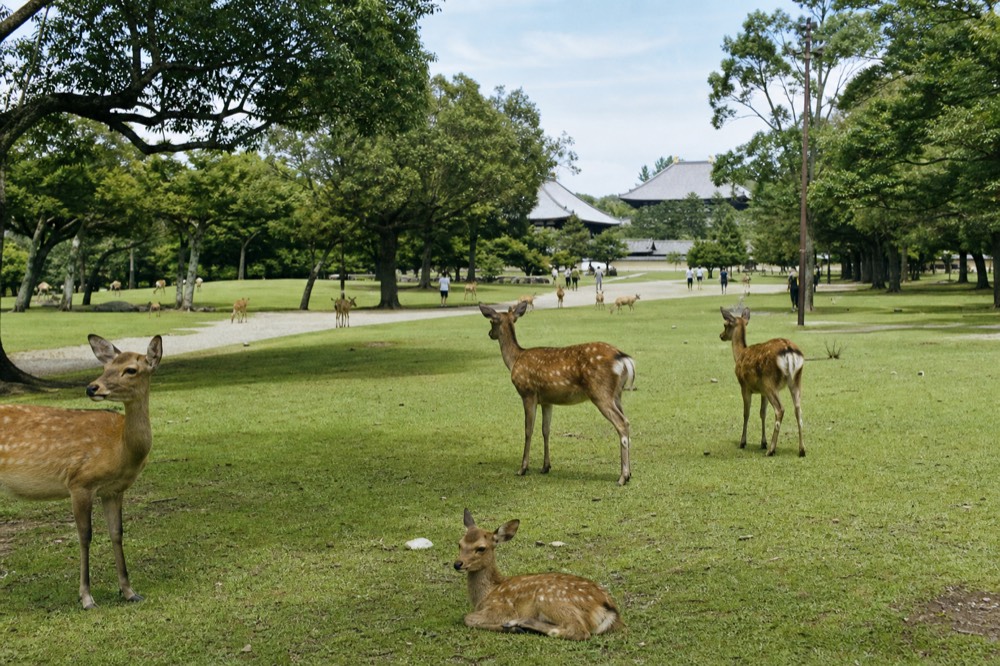
That is the case for the guided option, and it is a real one rather than a sales line. The tour's price covers the coach, the guide and the admissions; the from-price option at $191.65 leaves you to buy your own lunch, which, given the reviews of the included lunch, is the version to pick. Our Kyoto Nara Day Tour guide to the six departure options breaks down the Kyoto and Osaka meeting points, the lunch choices and the price differences in one table, and the one-day Kyoto and Nara feasibility question is worth reading before you commit.
If you would rather stay independent, the split that works is Kyoto's west and centre on one day, Fushimi Inari at dawn plus Kiyomizu-dera and the Higashiyama lanes on another, and Nara as its own half-day on the Kintetsu line, which drops you five to eight minutes' walk from Nara Park. Three days, no regret. Anything less means choosing, and this article is the choosing.
The short answers are consistent across the whole article: Kinkaku-ji, Nijo Castle and the Imperial Palace for the core day, Fushimi Inari and Kiyomizu-dera as the separate early-morning pairing, Nara as its own half-day, and early December rather than mid-November for maple colour. Each question below repeats the exact figures given above, so nothing here introduces a new number.
Common questions about Kyoto's unmissable sights
What should I not miss in Kyoto?
Kinkaku-ji, Nijo Castle with its Ninomaru Palace, and the Kyoto Imperial Palace grounds form the core, with Fushimi Inari and Kiyomizu-dera as the two open-air icons if you have a second morning. The first three cluster on a workable coach route; the last two need their own early start.
Is Kinkaku-ji worth visiting if it is crowded?
Yes. Adults pay 500 yen, the grounds open 09:00 to 17:00, and the pond reflection is worth the queue. Arrive at opening or after 15:30 to thin the crowd on the one-way circuit.
Do you need a ticket for Nijo Castle's palaces?
Castle admission is 800 yen, and castle plus Ninomaru Palace is 1,300 yen. The Honmaru Palace is a separate 1,000 yen and requires an advance web ticket released 30 days ahead, so book early if you want it.
Does the day tour visit Fushimi Inari or Kiyomizu-dera?
No. The tour covers Nijo Castle, Kinkaku-ji, the Kyoto Imperial Palace, Kasuga Taisha and Todai-ji with Nara Park, and no other stops. Both Fushimi Inari and Kiyomizu-dera need separate time.
When is Kyoto's maple season?
Later than most articles claim. The official maple colouring date is normally 5 December, and it was 10 December in 2025. Plan for late November ginkgo gold and early December red maples.
How much does the Kyoto and Nara day tour cost?
From $191.65 per adult for the Kyoto departure without lunch. The lunch-inclusive and Osaka-departure options are published in Hong Kong dollars on their listings, and the tour rates 4.8 from 32 reviews.