What is the Nara deer controversy?
The Nara deer controversy explained with the Nara Deer Preservation Foundation's own numbers: record populations, road deaths, plastic waste, feeding rules and how to visit responsibly.
What is the Nara deer controversy?
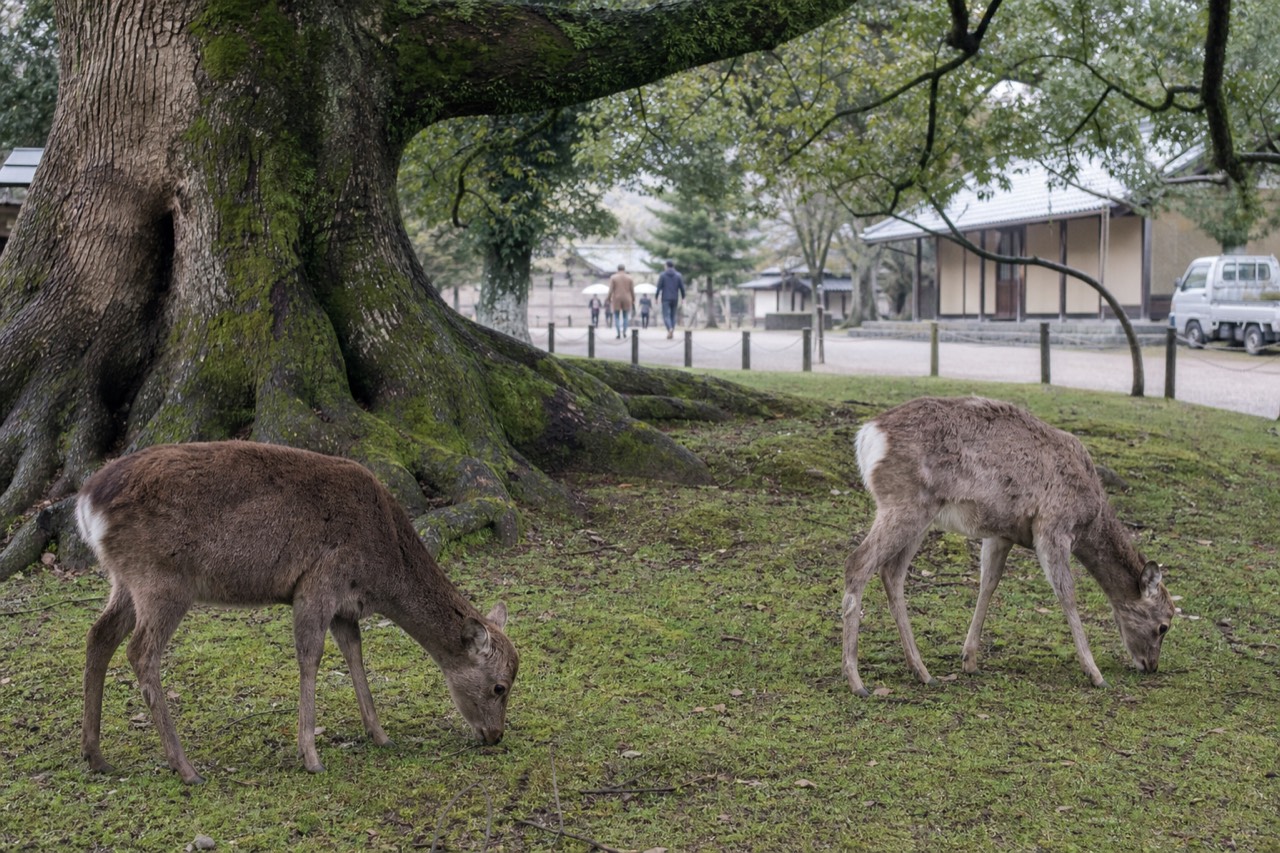
The Nara deer controversy is the running dispute over how Japan manages the sacred deer that roam freely in Nara Park: a population the Nara Deer Preservation Foundation counted at 1,687 in July 2026, up 222 in a single year, while deer keep dying after swallowing plastic litter, being hit by cars, and clashing with the visitors who feed them.
That is a lot of tension packed into one small park, and each part of it is documented by the foundation that protects the deer, not by campaigners or tabloids. The deer are protected as a national Natural Monument, a status that makes culling them legally and politically fraught. Their numbers have never been higher in the foundation's recent records. And the money that keeps the whole system running comes, in part, from selling deer crackers to the very tourists whose litter ends up in deer stomachs.
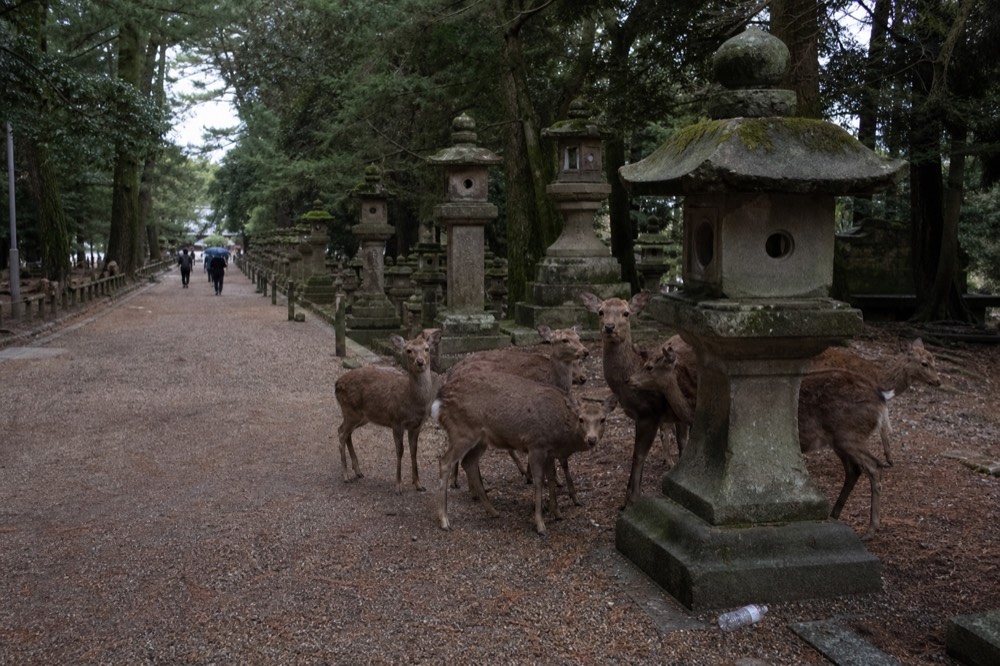
The controversy matters to visitors because it directly shapes the rules you will encounter on the ground. Feeding is restricted to shika senbei, the special crackers licensed by the foundation, sold for about 200 yen a bundle. Bowing deer, chasing deer, photographing deer with food in your hand: all of it is now governed by written guidance and multilingual patrols. If you arrive knowing why the rules exist, the park reads very differently.
For context on the wider picture, our guide to Nara Park and the deer covers the practical side, and the question of whether the deer park is worth visiting is a fair one to ask before committing a day.
If a day trip that includes Nara Park is already on your shortlist, these are the options worth comparing.
Why are there deer in Nara Park at all?
The deer of Nara Park are wild animals protected as a national Natural Monument, a designation the Nara Deer Preservation Foundation confirms on its own activity page. They are treated as divine messengers of Kasuga Taisha, the Shinto shrine whose approach they have shared for well over a thousand years, which is why they roam free rather than living in an enclosure.
The foundation's own history explains the modern arrangement. A protection society was founded in the Meiji era, incorporated in 1934, and renamed the Nara Deer Preservation Foundation in 1947. Its job is not to run a zoo. It counts the deer, treats injured deer, fences pregnant does and fawns in a dedicated enclosure called the Rokuen during calving season, licenses the cracker vendors, and runs the education campaigns that the controversy keeps making headlines.
This history is why the debate gets stuck. The deer cannot simply be relocated or managed like an ordinary wildlife population: their protected status and their religious role make almost every hard intervention controversial in Nara itself. The foundation's answer has been management at the margins, protecting does during calving, cutting road deaths, and educating visitors, while the population grows at a rate that outpaces all of it.
The shrine at the heart of this relationship, Kasuga Taisha, still charges 700 yen for special worship inside its middle gate, a fee raised from 500 yen in October 2024. The deer, by contrast, cost nothing to see, which is precisely the imbalance at the centre of the argument: everyone enjoys the free attraction, and the costs land on the animals.
What did the 2026 deer census find?
The July 2026 census counted 1,687 deer in Nara Park, a rise of 222 on the previous year and the largest figure the foundation has published in its recent tables: 411 stags, 990 does and 286 fawns, surveyed by foundation staff and volunteers between 05:30 and 08:00 on 15 and 16 July 2026.
That single survey is the hardest number in the entire controversy, and it comes straight from the counter's own website, which publishes the figures each July alongside the year-on-year change. The doe count rose by 174. The fawn count actually fell by 48, which suggests the growth is coming from adult survival rather than a breeding surge. Both directions matter: more adult deer means more animals competing for grass in the park and wandering outside it in search of food.
The census is not an abstract statistic. A bigger herd means more deer crossing roads at the park's edges, more deer approaching visitors who have food, and more pressure on the grass the park actually provides. The foundation reported 140 deer deaths in fiscal 2025, and while disease accounted for 30 and road accidents for 36, the remainder covers a range of causes including the litter-swallowing incidents that have driven most of the international coverage.
It also means the deer encounter you get in 2026 is not the one older guidebooks describe. With more animals and a fixed amount of park, the odds of a close encounter, welcome or otherwise, are higher, and the foundation's safety guidance has become correspondingly firmer.
Seeing the park for yourself is the fastest way to understand the scale of it, and a guided day trip handles the Kyoto-to-Nara logistics in one booking.
Are the Nara deer dangerous?
The foundation's own safety page is blunt: the deer are habituated but wild, they bite, strike, butt and charge, and older visitors and small children need extra care. Two periods raise the risk sharply, the rut from September to November, when stags become aggressive, and calving from mid-May to June, when a doe near a newborn will react badly to anyone who comes close.
The public perception of Nara's deer, shaped by viral videos of bowing animals, sits awkwardly against that official language. The bowing is real behaviour, but it is a food-associated gesture, not politeness, and the same animal that bows for a cracker will headbutt a visitor who teases it or hides food in a closed fist. The foundation's guidance is explicit on technique: hand the cracker over fast, do not tease, never hold it in a closed fist, or the deer will follow and press.
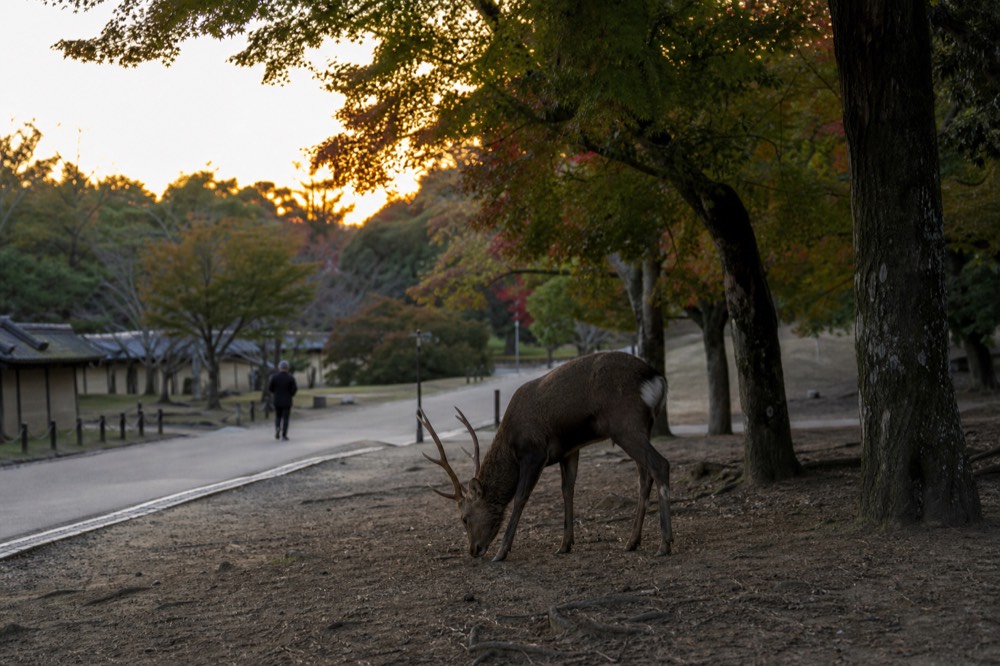
The protection-month calendar is the practical takeaway. June, when does are giving birth, and November, the height of the rut, are the foundation's designated deer-protection months, and both are periods when the animals need more space, not more crackers. Stags are de-antlered for safety each year, but the foundation warns that a de-antlered stag in rut is still an animal to keep distance from.
This is one reason timing your visit matters more than most articles admit. Our piece on the best time of day for Nara Park gets into the crowds question, but the seasonal dimension is just as real: a February visit and an October visit are different animals, literally.
| Risk period | Months | What changes | Foundation guidance |
|---|---|---|---|
| Calving season | mid-May to June | Does give birth; mothers react aggressively near fawns | Never approach a newborn; give does wide space |
| Rut | September to November | Stags, de-antlered or not, turn aggressive | Do not approach stags |
| Peak feeding | year-round, busiest midday | Deer press visitors holding food | Hand crackers over fast, no closed fists, no teasing |
| Feeding anything else | always | Deer cannot digest human food or packaging | Feed nothing but shika senbei |
Why are Nara deer dying?
The foundation recorded 140 deer deaths in fiscal 2025, of which 36 were road accidents and 30 disease, with road deaths up 7 on the previous year. The remainder includes the litter-related deaths that made national news: deer that died after swallowing plastic bags and food wrappers dropped or abandoned by visitors.
The plastic problem is the part of the controversy that travels furthest, because it is the part most directly attributable to tourism. A deer that swallows a plastic bag cannot digest it; the material accumulates, the animal stops eating, and it starves with a full stomach. Autopsies by the foundation have found accumulated plastic in deer that died this way, and the finding has been repeated often enough that the response is now structural: more bins, more signage in more languages, and campaigns telling visitors to take their rubbish home.
The road deaths are a different failure mode. The park has no fence, deer cross into surrounding streets, and Nara's traffic is the result. The foundation's figure of 36 road deaths in fiscal 2025 is verified from its own published table, and the city has responded with speed reductions and crossing warnings at the known hotspots. It is a solvable problem only in the sense that every prevented collision requires driver, deer and infrastructure to cooperate.
A third pressure gets less coverage: crackers selling out. Japanese media reported in June 2026 that stalls were running out by midday at peak times, and when the crackers run out, some visitors improvise with their own food, which the deer cannot digest and which is explicitly banned. The scarcity of the licensed feed and the abundance of unlicensed alternatives is a quiet engine of the whole controversy.
For travellers weighing a trip without a guide's structure, the no-lunch Kyoto departure is the cheapest published option and leaves dinner free in Nara or back in the city.
What are the rules for feeding the Nara deer?
Feed the deer nothing except shika senbei, the crackers licensed by the Nara Deer Preservation Foundation and sold in the park for about 200 yen a bundle of roughly ten. Hand each cracker over immediately, never tease, never hold food in a closed fist, and when the crackers are gone, show your empty hands so the deer understand the feeding is over.
The rules are not bureaucratic decoration; each one maps to a documented failure. Teasing produces butting and biting. A closed fist produces a deer that follows you across the park pressing at your hand. Human food, including bread, snacks and restaurant leftovers, damages deer digestion, and the packaging that comes with it is the plastic problem in miniature. The empty-hands gesture is the least known and most useful: deer respond to it, and it ends an encounter on your terms rather than theirs.
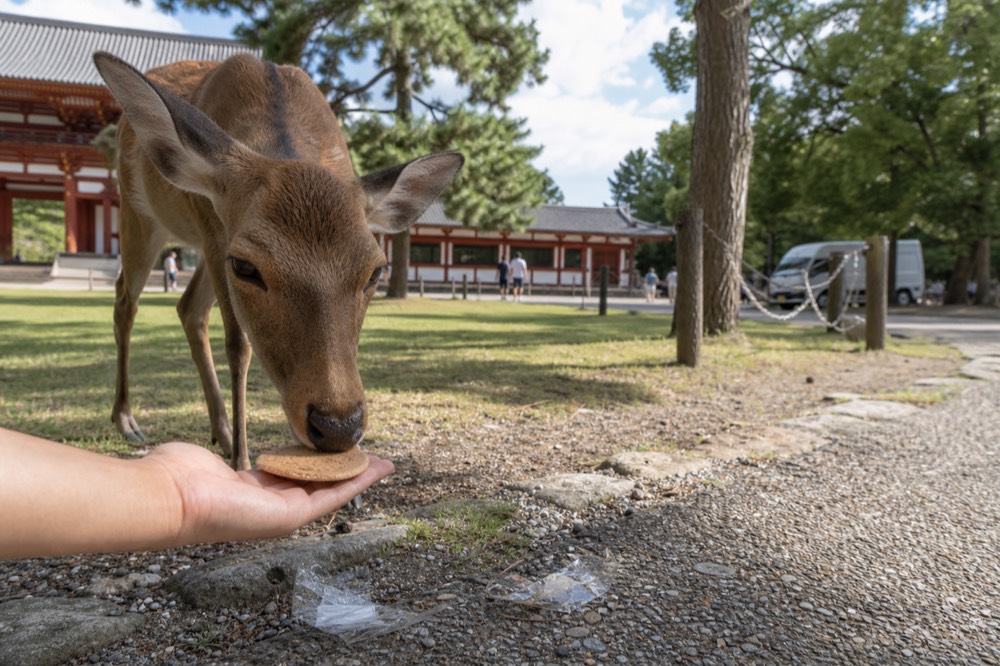
The cracker economy has a defence worth stating plainly. The crackers are produced and licensed by the foundation, and the proceeds fund deer welfare: treatment, the Rokuen enclosure, and the annual census itself. Buying them is not the harm; littering around them, or substituting unsuitable food when they sell out, is. The foundation states the underlying safety logic on its own education page, which is worth reading in full before a visit with children: the foundation's deer guidance.
What you should not do is treat the rules as optional because everyone else seems to. Enforcement is largely soft, patrols and signage rather than fines, and the animals pay the cost of each shortcut. The one hard line in the park is the Rokuen enclosure during calving season, which keeps pregnant does and fawns away from visitors entirely, and which should be respected from the outside.
Is feeding deer crackers good or bad for them?
Shika senbei are deliberately formulated to be safe for deer, and the revenue from selling them funds the foundation's protection work, so the crackers themselves are not the problem. The controversy is about scale and substitutes: a record herd, midday sellouts, and visitors switching to human food and plastic-wrapped snacks when the licensed feed runs out.
Critics of the current system make a coherent argument: a wild population managed partly through a snack sold to tourists is a population whose food supply is coupled to visitor numbers, and coupling anything to tourism makes it unstable. Defenders answer that the alternative, no feeding at all, would not stop the deer approaching people, since a thousand years of habituation cannot be undone with a sign, and that the cracker revenue is what pays for the veterinary care the critics also demand.
Both sides agree on the facts that matter most. The herd is bigger than ever at 1,687. The deaths from litter and traffic are real and counted. The foundation's soft-power approach, education plus enforcement-by-presence, has not stopped either. Where they disagree is whether the answer is fewer deer, fewer visitors, or better behaviour from the visitors there are.
For an individual visitor the honest answer is that your conduct is the one variable you control. Buy the licensed crackers or none at all. Carry your rubbish out, including the cracker wrapper. Keep distance in June and November. Those three habits remove you from the controversy entirely, which is more than can be said for most wildlife tourism.
How to see the deer responsibly on a day trip
Plan around the risk calendar: avoid close encounters during calving in June and the rut from September to November, carry your rubbish out, buy only licensed crackers, and give stags and does with fawns real distance. A guided day trip covers the transport and the timing, and the coach drops you at the park with hours to walk it properly.
The practical structure of a Kyoto-and-Nara day makes the responsible version easy. A full-day coach tour runs about 10.5 hours from Kyoto, door to door, the road from Kyoto to Nara takes roughly 60 to 80 minutes, and the Nara stop typically pairs Todai-ji and Nara Park with Kasuga Taisha, which is the deer's own home shrine. You arrive with a group, walk the same paths, and leave the driving to someone who does it daily.
The licensed coach tour that covers this route is the Kyoto and Nara Day Tour, operated by JTB Sunrise Tours, rated 4.8 from 32 reviews. It runs six departure and lunch combinations: the from-price option is the Kyoto departure without lunch at $191.65 per adult, meeting at 08:20, while the five other combinations, including Osaka departures that end at Osaka Namba, are published in Hong Kong dollars. A word on the lunch: reviewers going back years, most recently in 2025, have often singled out the included meal as the weakest part of the day, which is one reason the cheaper no-lunch option exists. You can Check availability on the operator's live listing.
On the ground in Nara, the responsible checklist is short. Walk from the coach to the park edge, buy crackers from a licensed stall if you want the feeding experience, keep the wrapper in your pocket, and let the deer come to you. Todai-ji's Daibutsuden, 800 yen and cash only, is a five-minute walk into the park and gives the visit its historical spine: the temple was consecrated in 752 and its present hall dates from 1709.
That is the version of the day trip that leaves the controversy better, or at least no worse, than you found it. For the fuller picture on planning the whole route, see how to plan a Nara day trip from Kyoto, or start with the site's home page at Kyoto Nara Day Tour for the complete tour options.
Whichever departure you choose, the deer are the same, the rules are the same, and the census that renewed the controversy will be counted again next July. The three options below cover the most common starting points.
The Nara deer controversy raises the same handful of practical questions from almost every visitor: how many deer there are, why they are dying, whether feeding them is safe, and what the rules actually require. These answers draw directly on the Nara Deer Preservation Foundation's published census, safety guidance and feeding rules, so every figure below can be traced back to the foundation's own records rather than to secondhand reporting.
Common questions about the Nara deer controversy
What is the Nara deer controversy?
The controversy is the ongoing dispute over how Nara manages its free-roaming sacred deer: a record population of 1,687 counted in July 2026, ongoing deaths from plastic litter and road accidents, and a feeding economy built on licensed crackers sold to the visitors who fund, and sometimes harm, the herd.
How many deer live in Nara Park?
The July 2026 census by the Nara Deer Preservation Foundation counted 1,687 deer: 411 stags, 990 does and 286 fawns. That is an increase of 222 on the previous year's total.
Why are Nara deer dying?
The foundation recorded 140 deer deaths in fiscal 2025, including 36 road accidents and 30 from disease. Other deaths include deer that swallowed plastic bags and food wrappers left by visitors.
Is it safe to feed the Nara deer?
Yes, if you feed them only licensed shika senbei, about 200 yen a bundle, hand each cracker over immediately, never tease and never use a closed fist. Avoid close contact during calving in June and the rut from September to November.
Can you touch or chase the Nara deer?
No. The foundation's guidance is explicit: the deer are wild animals that bite, strike and charge, and touching, chasing or provoking them is against the park's rules. Give extra distance to older visitors and small children in your group.